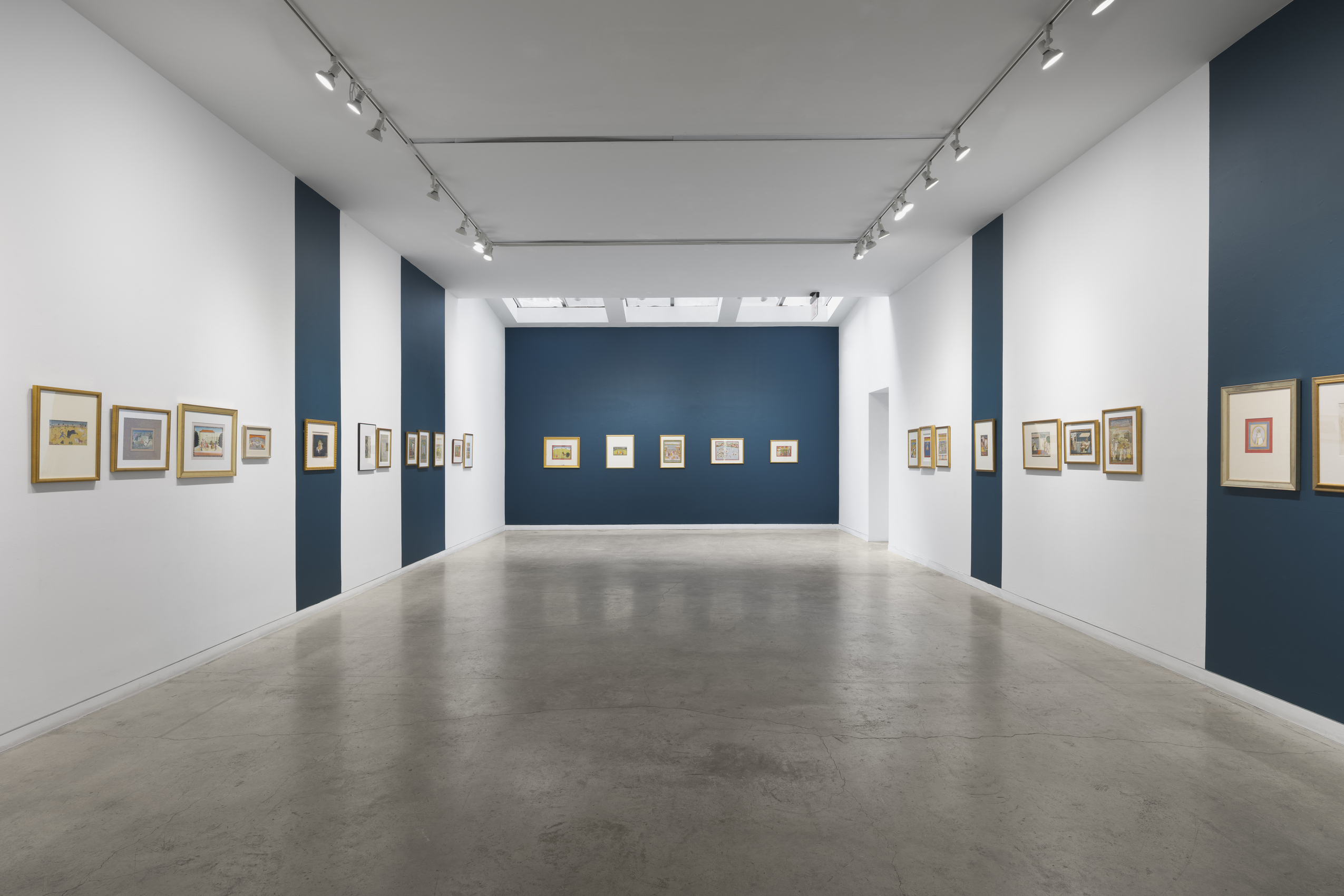
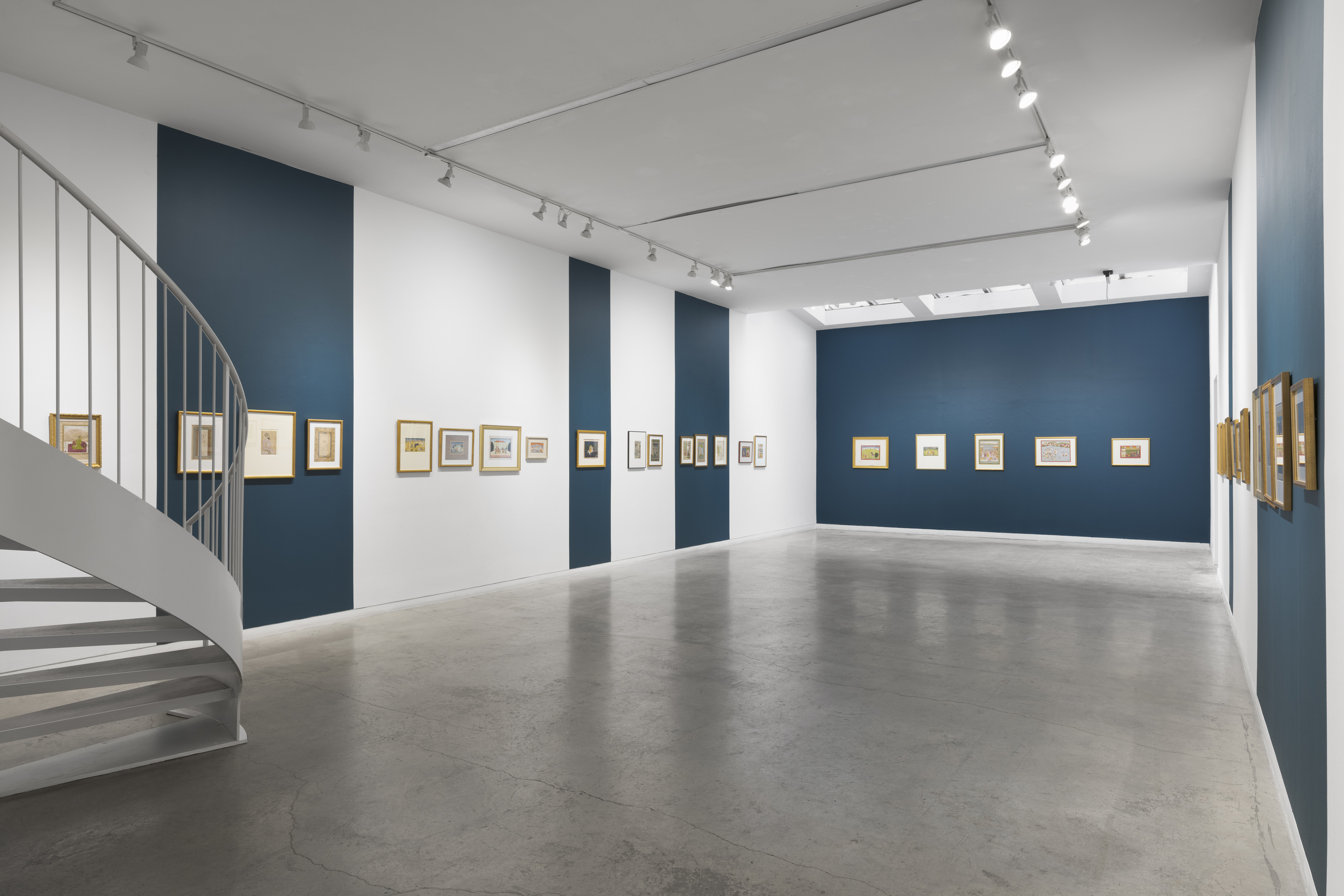
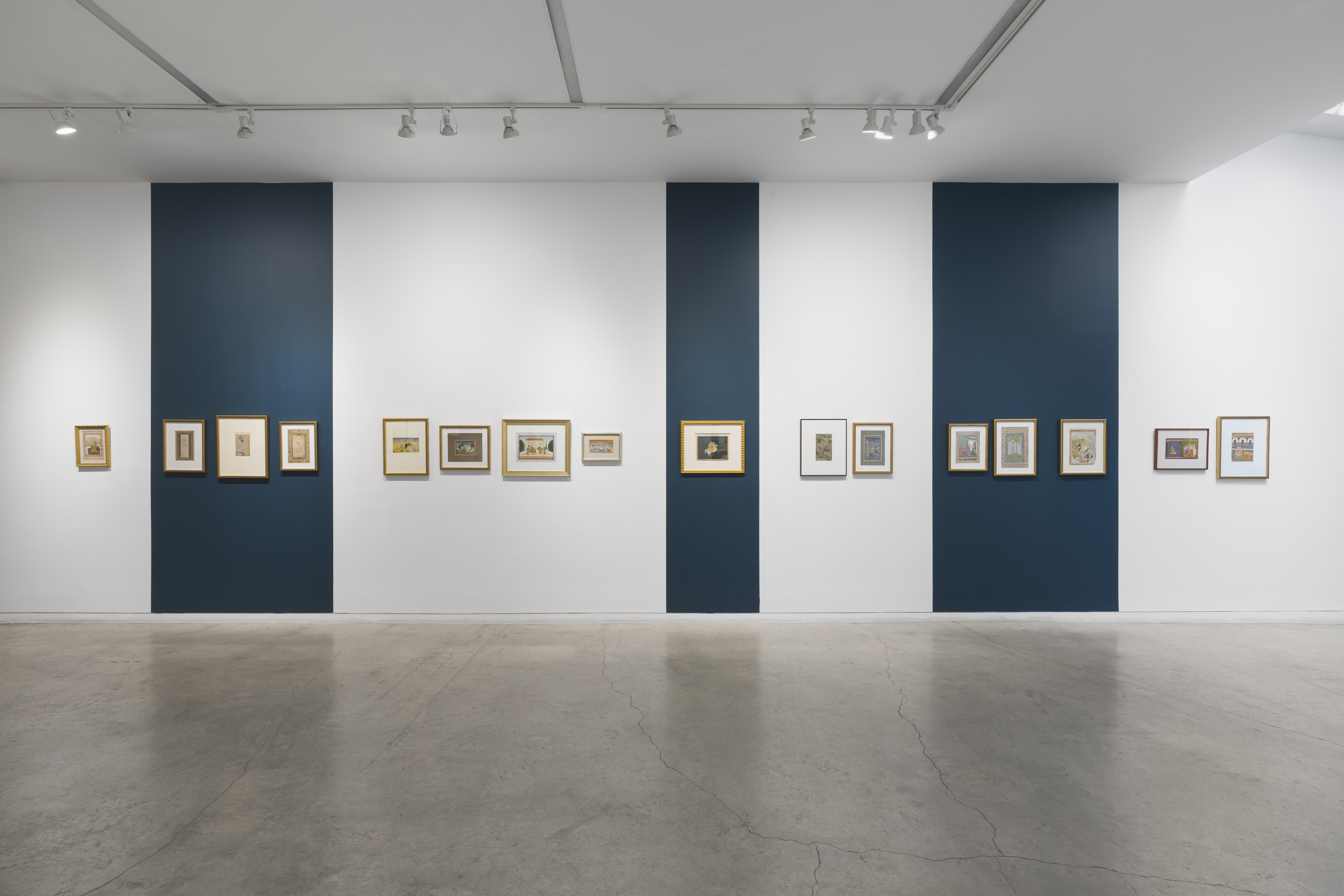
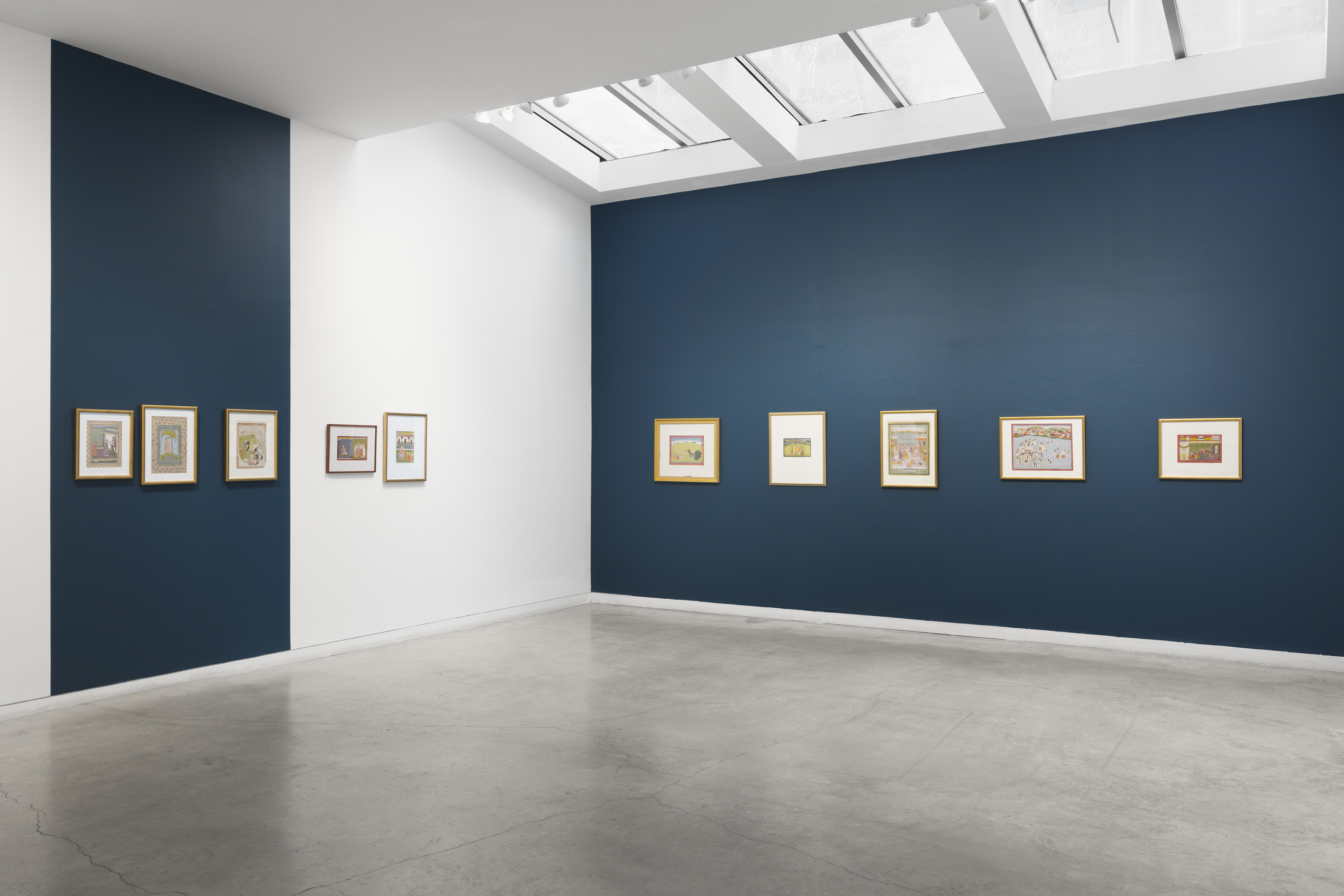
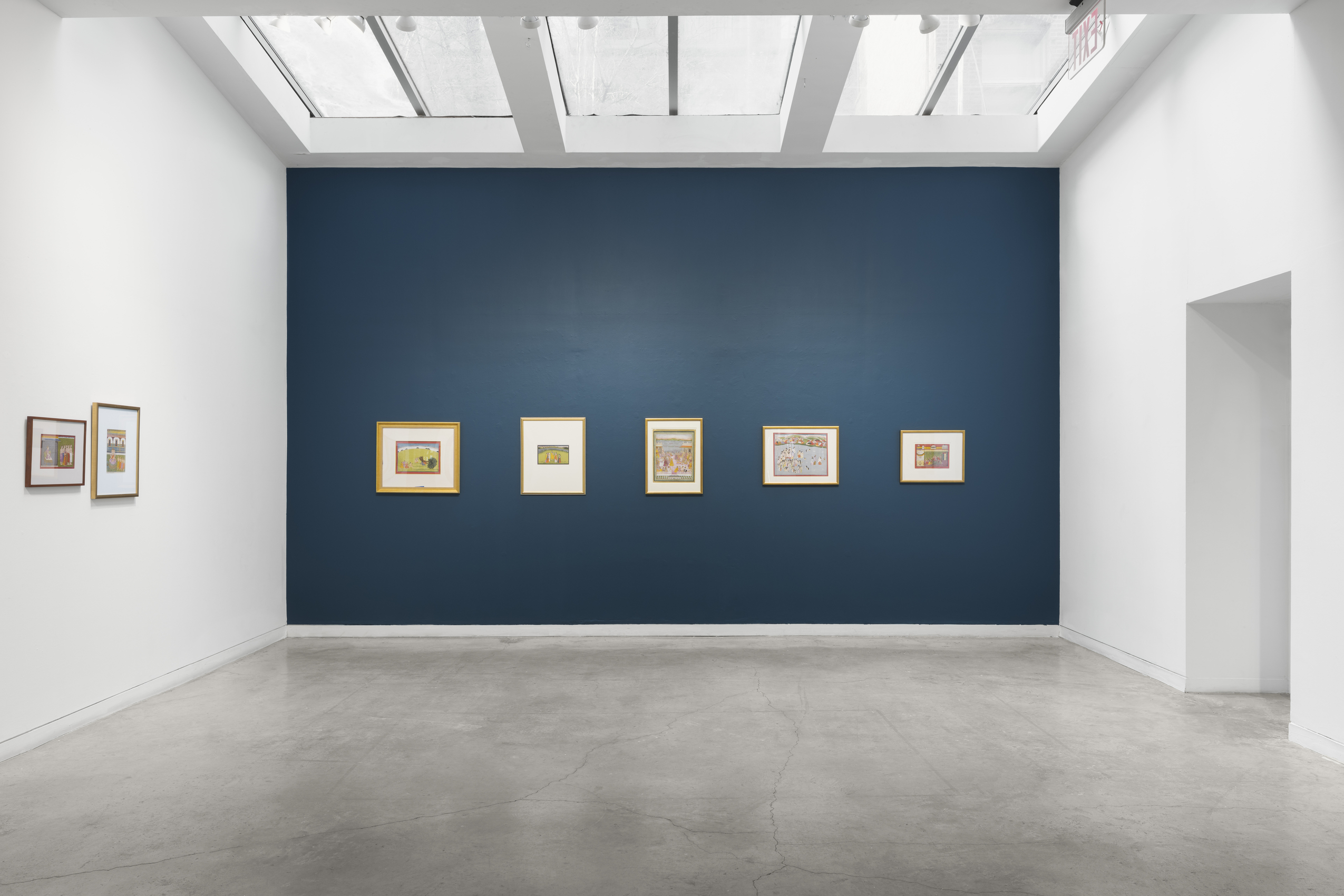
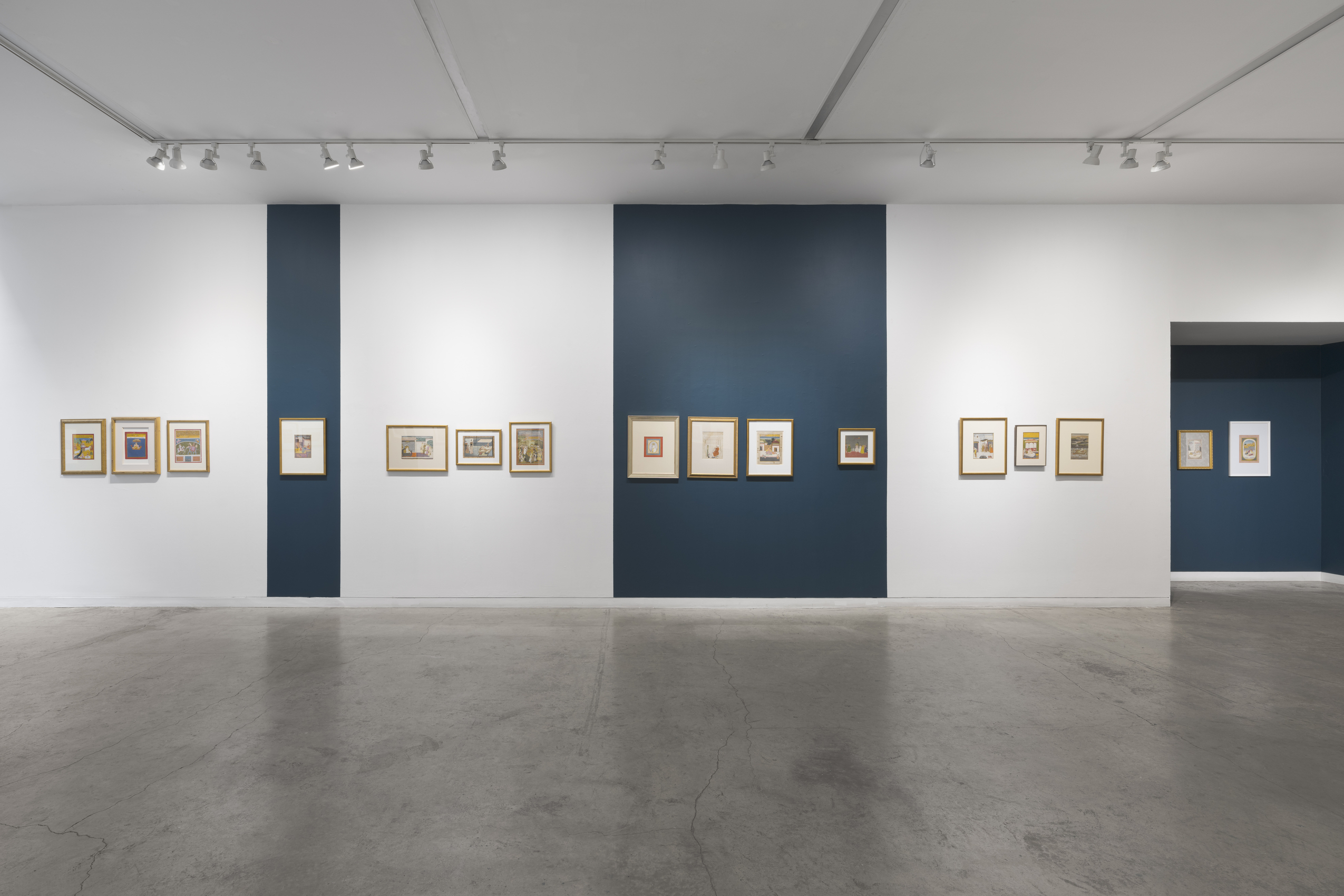
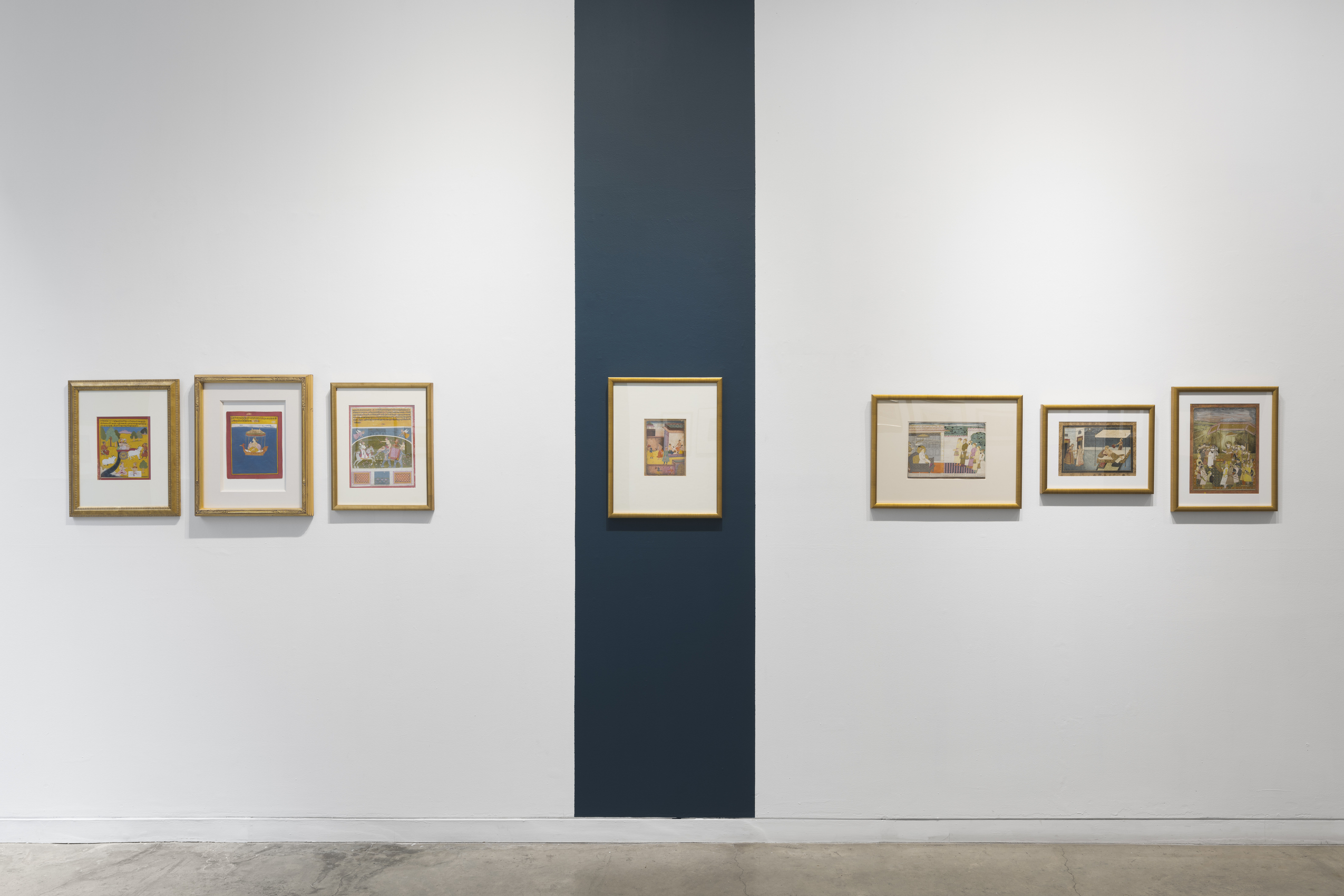
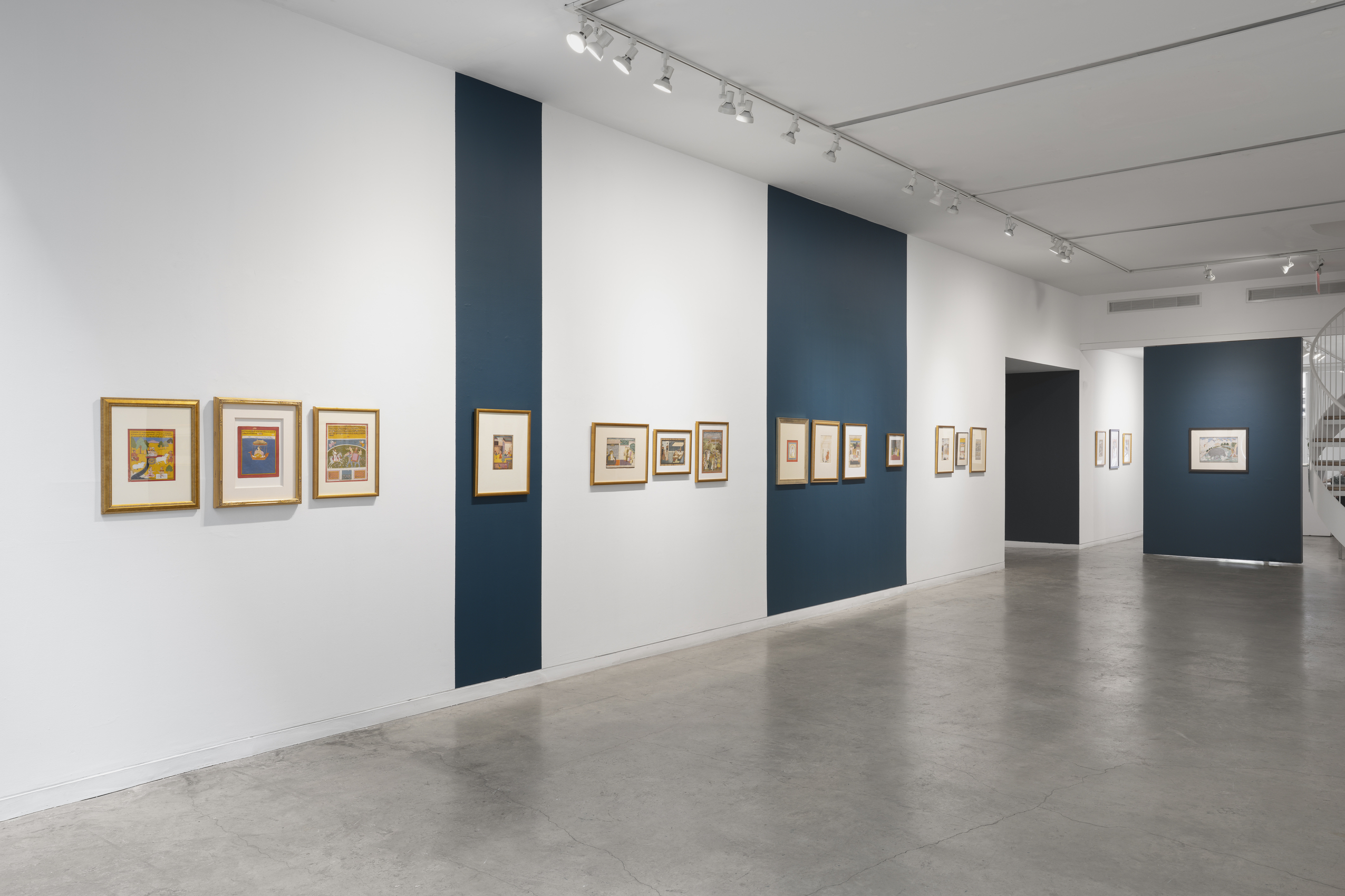
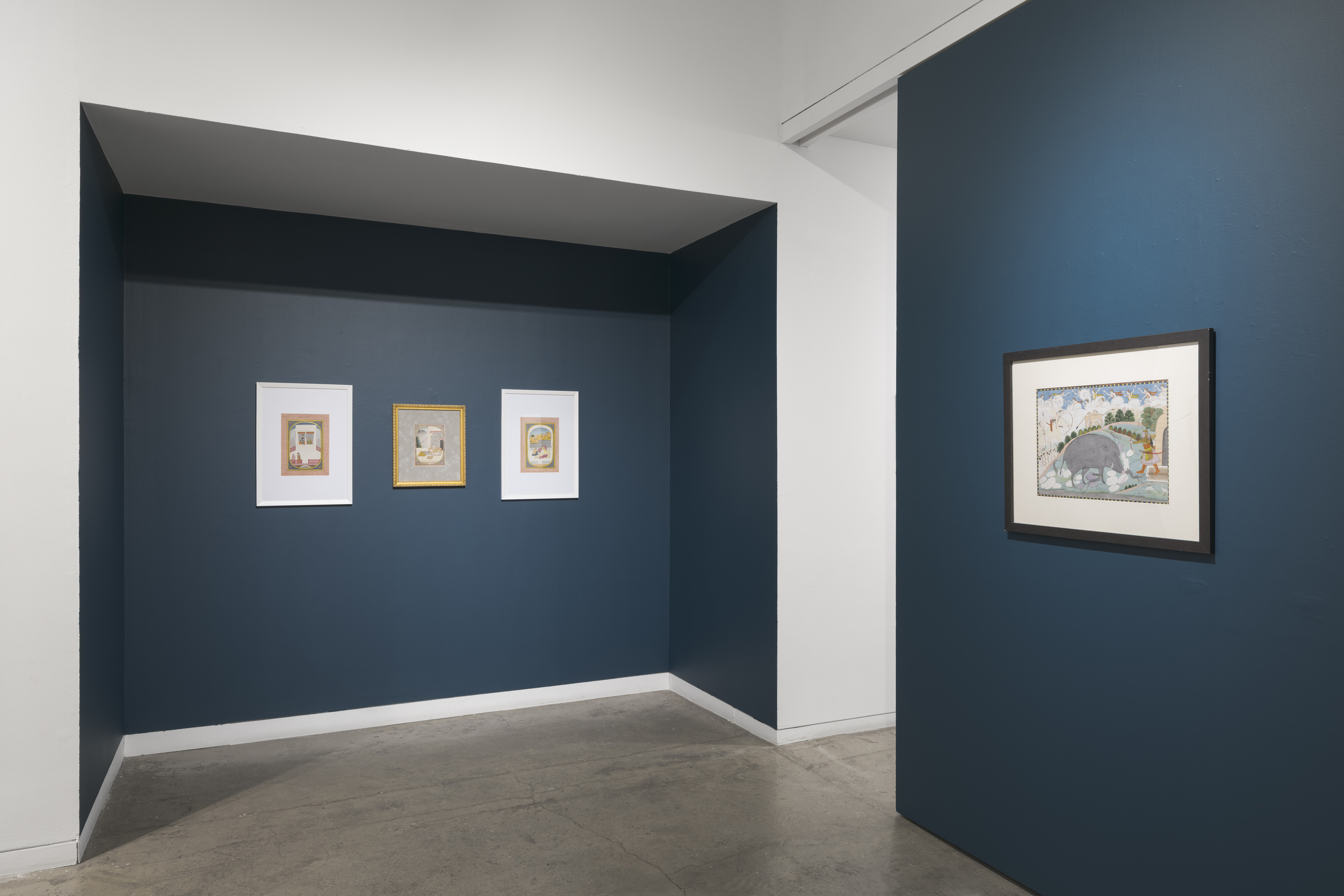
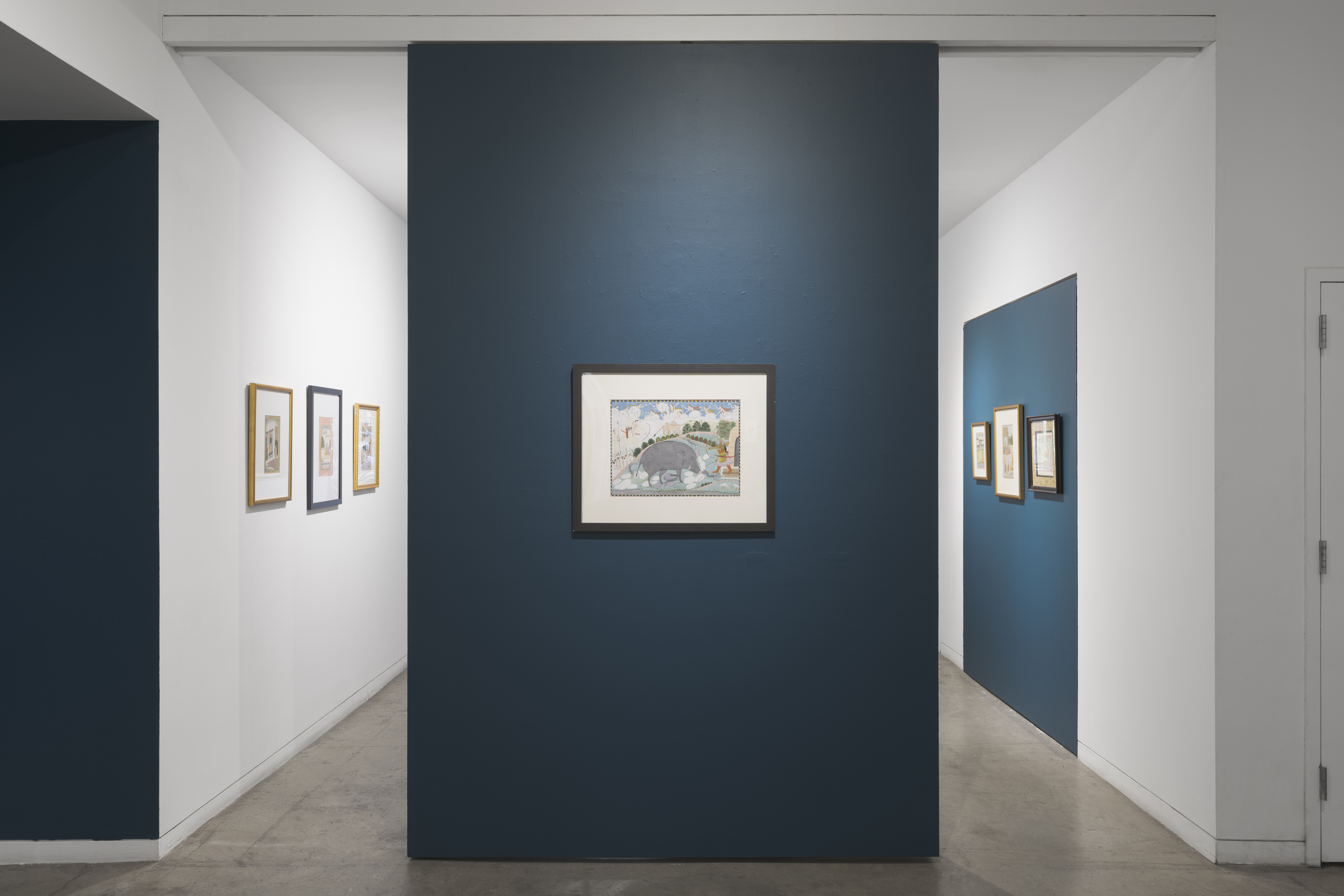
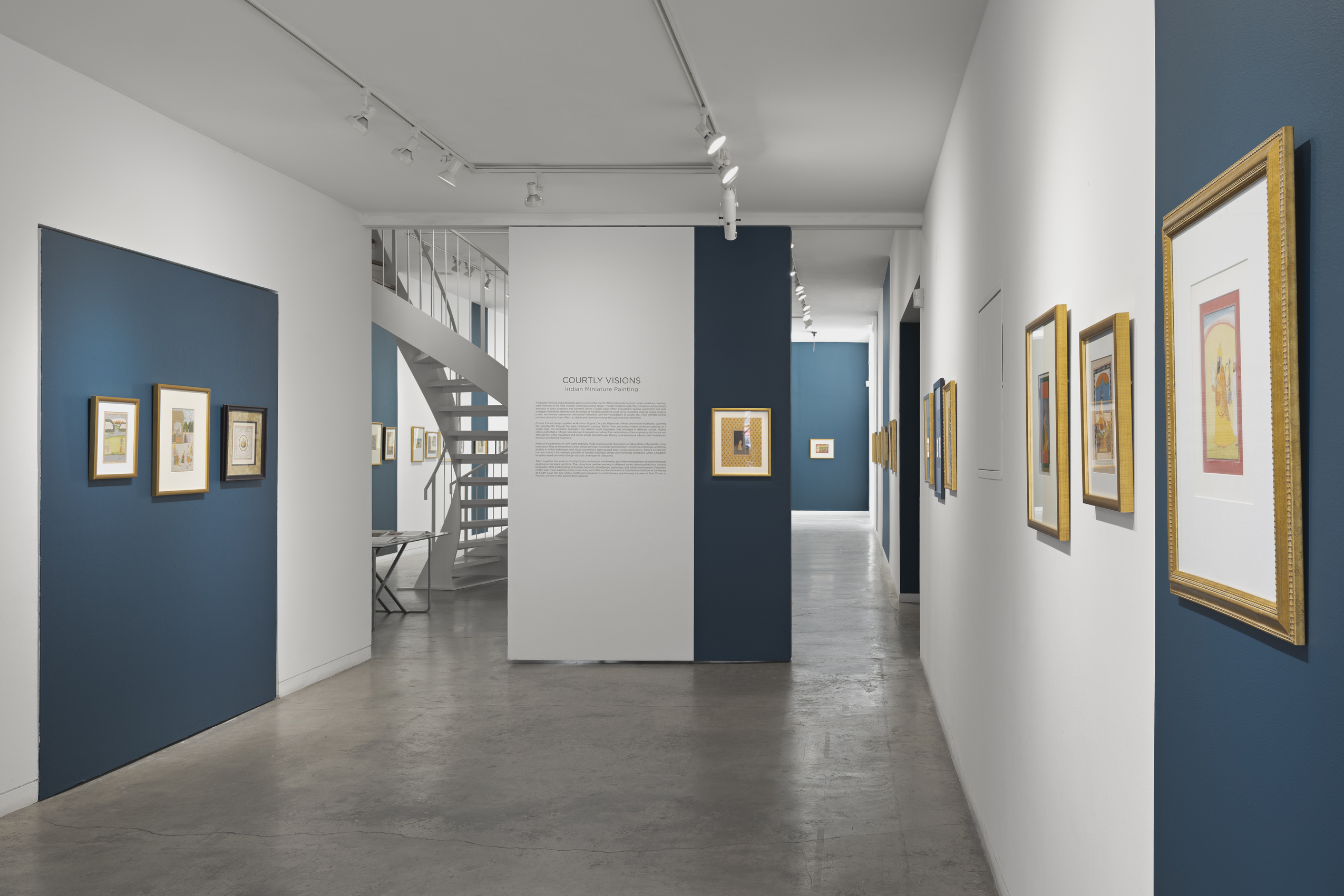
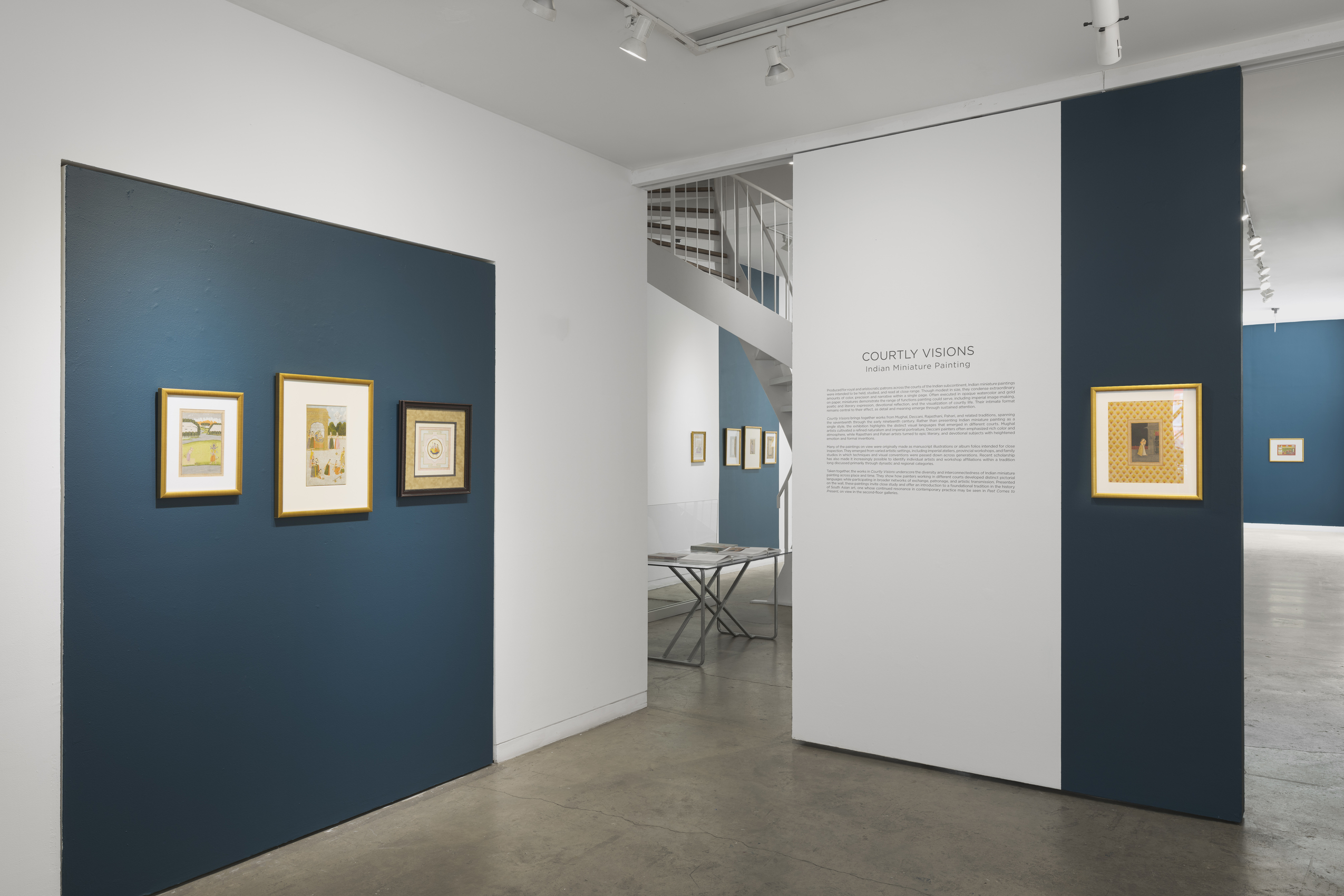
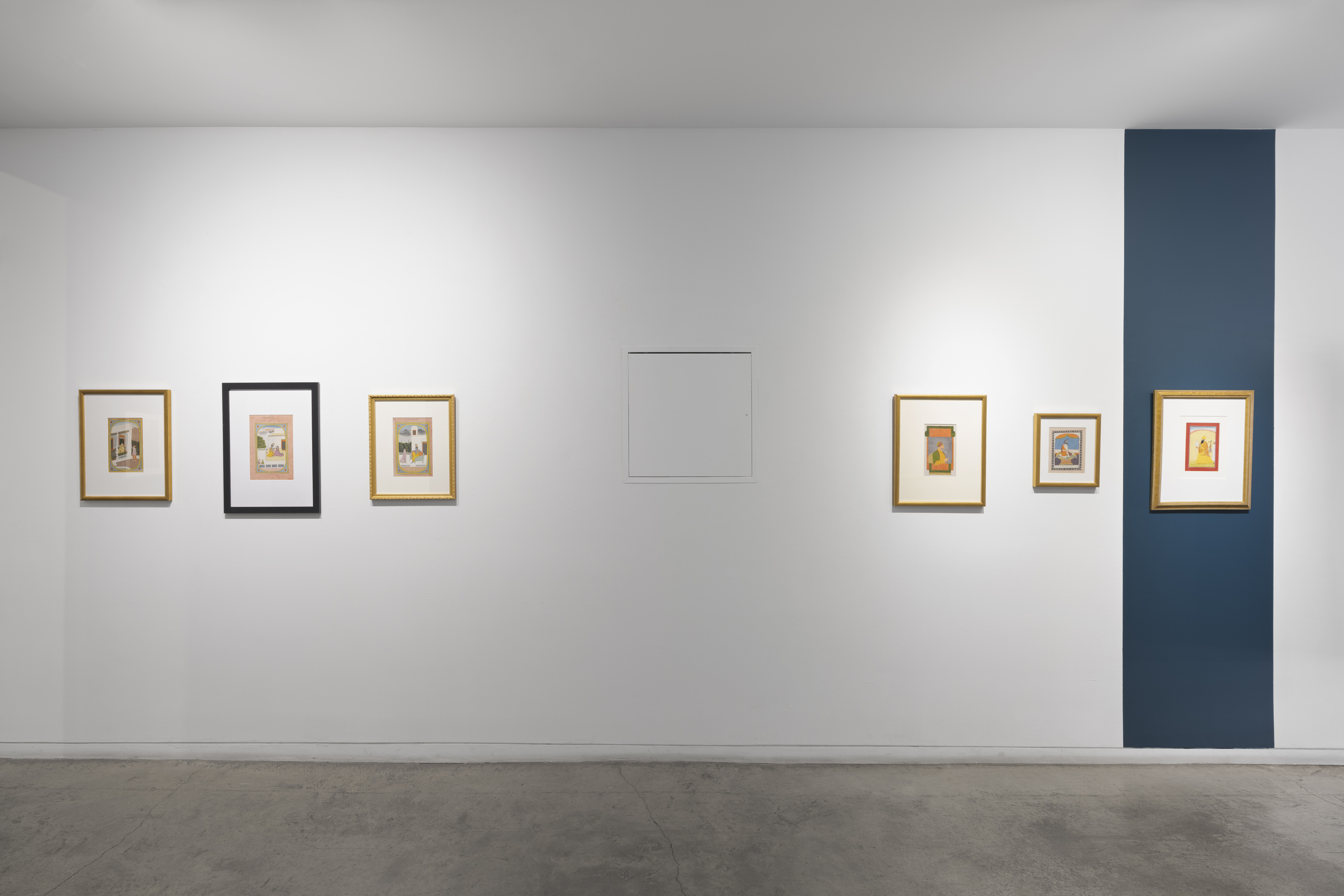
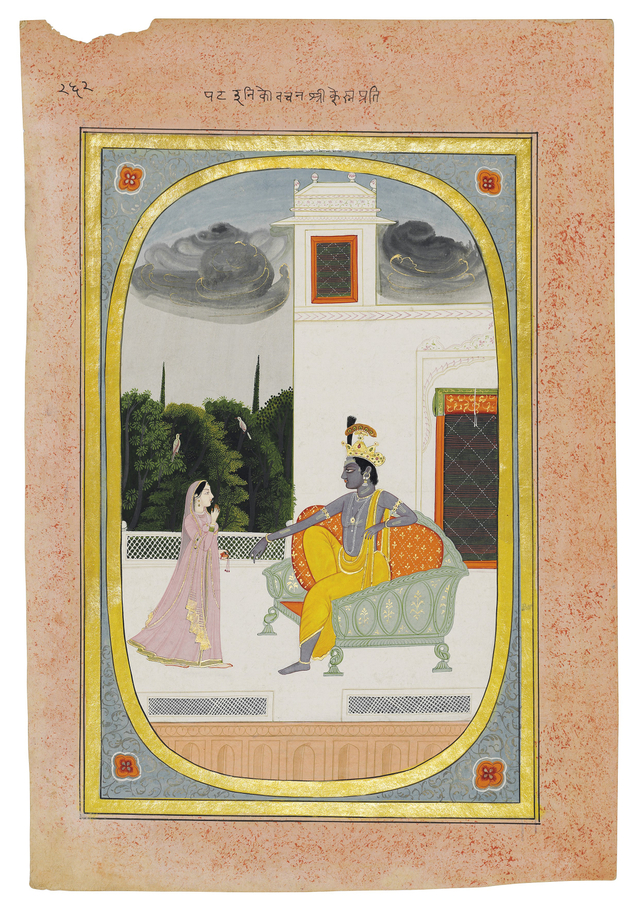
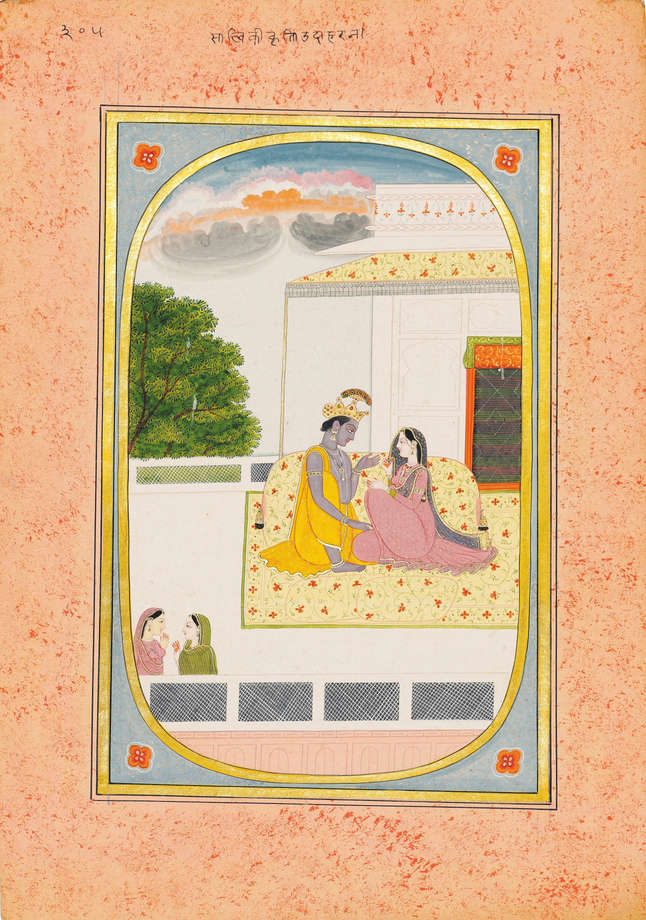
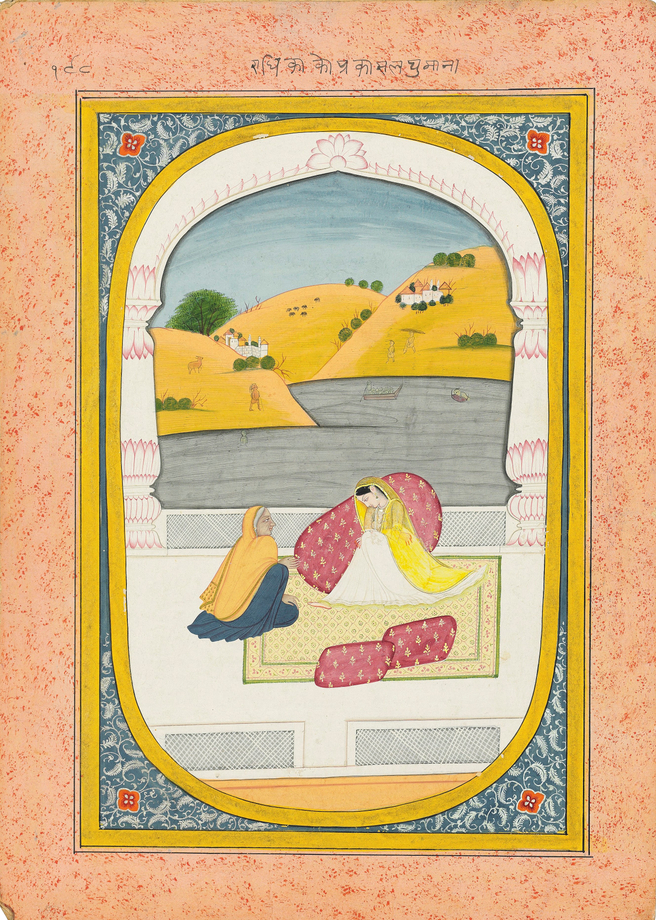
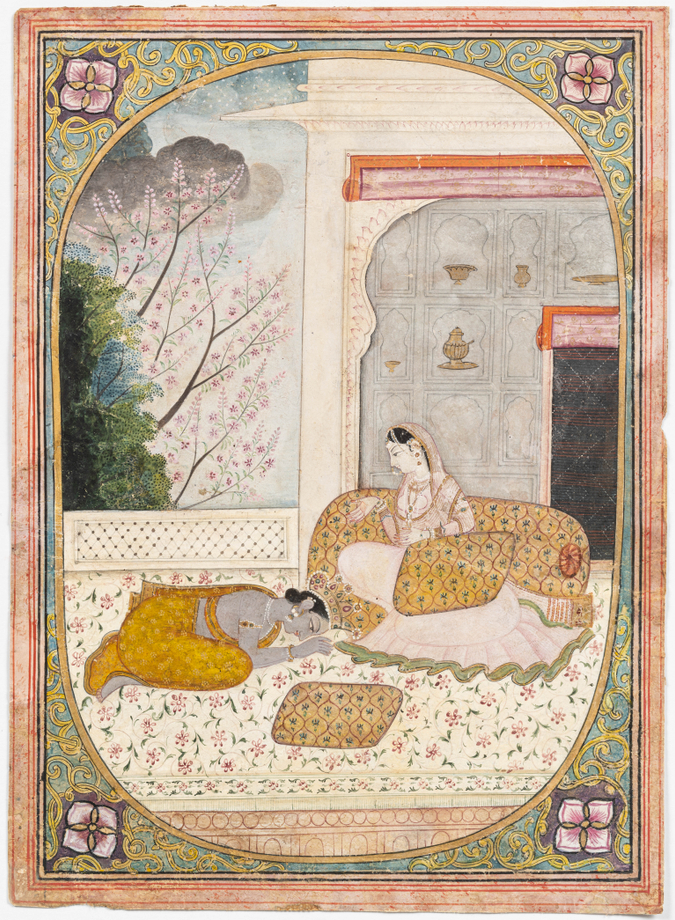
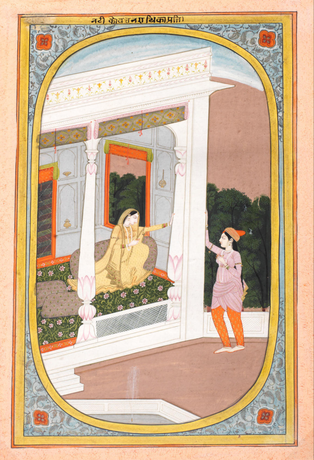
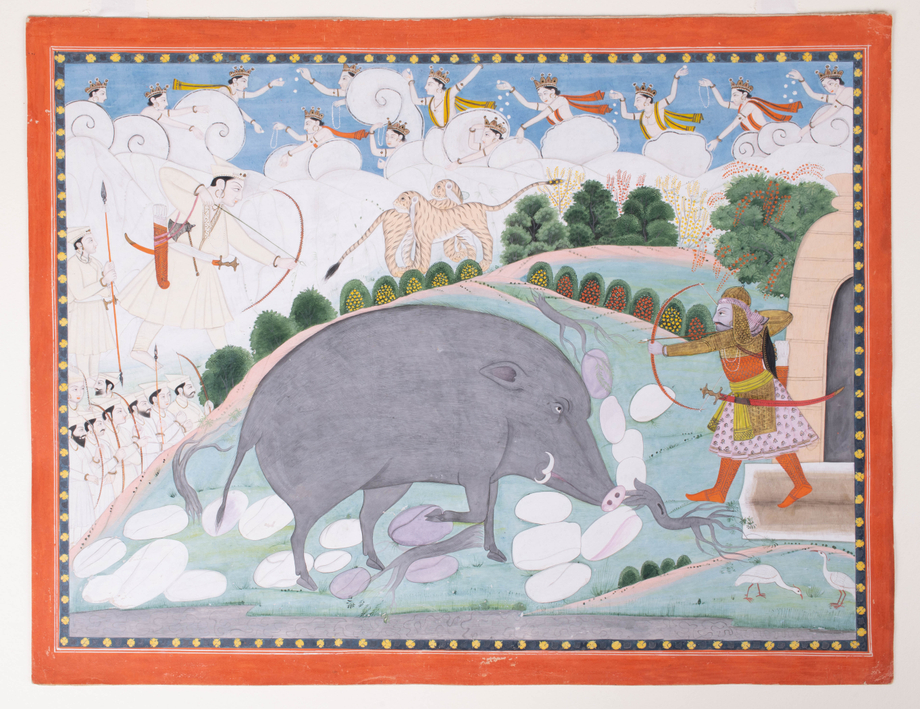
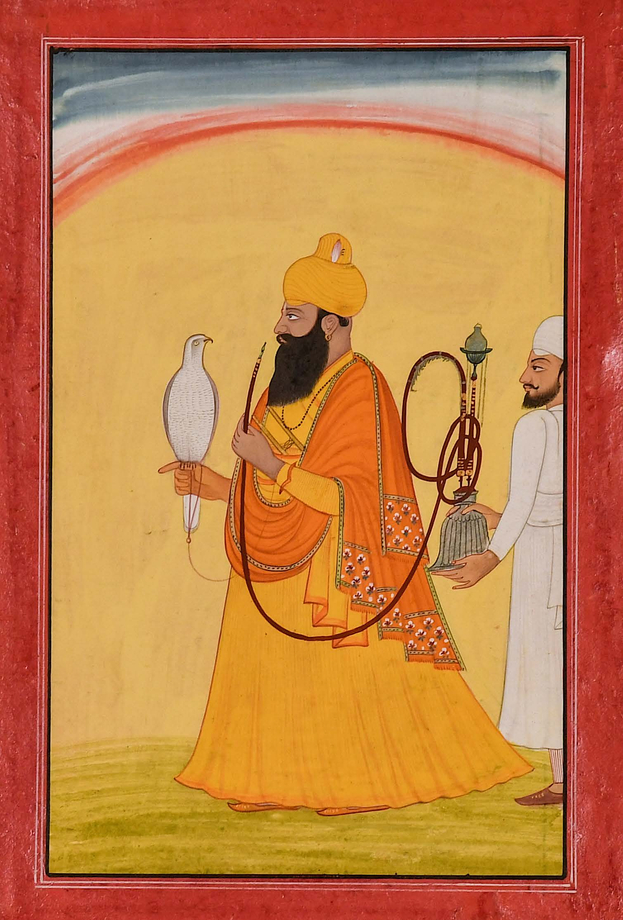
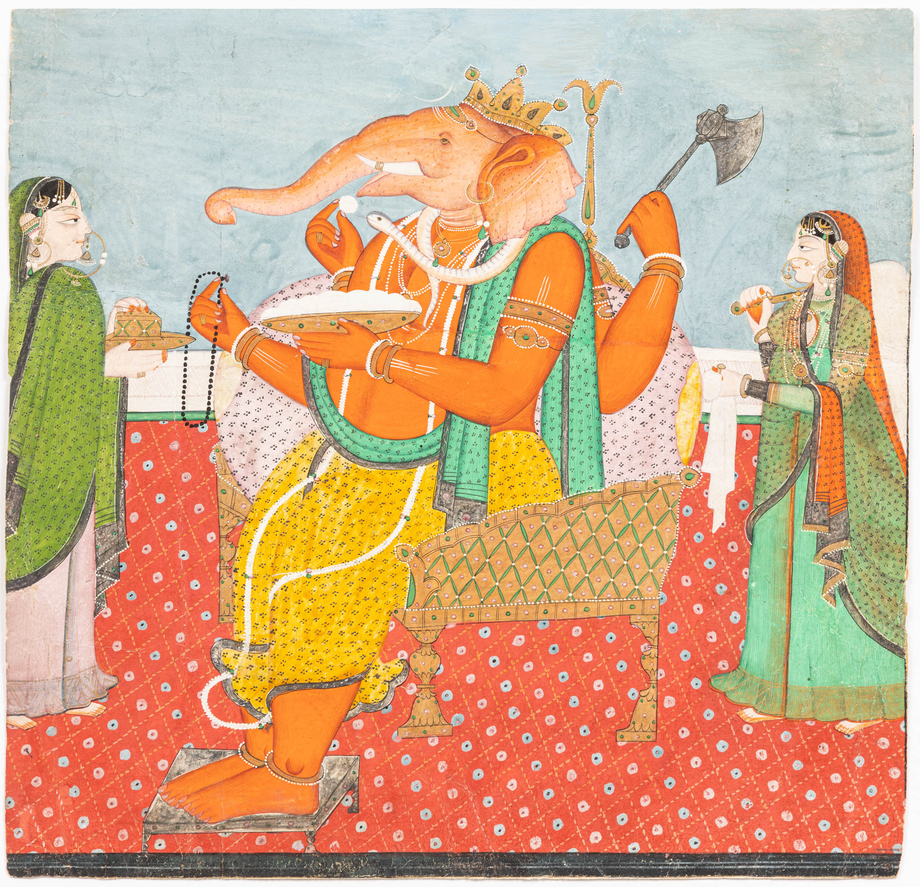
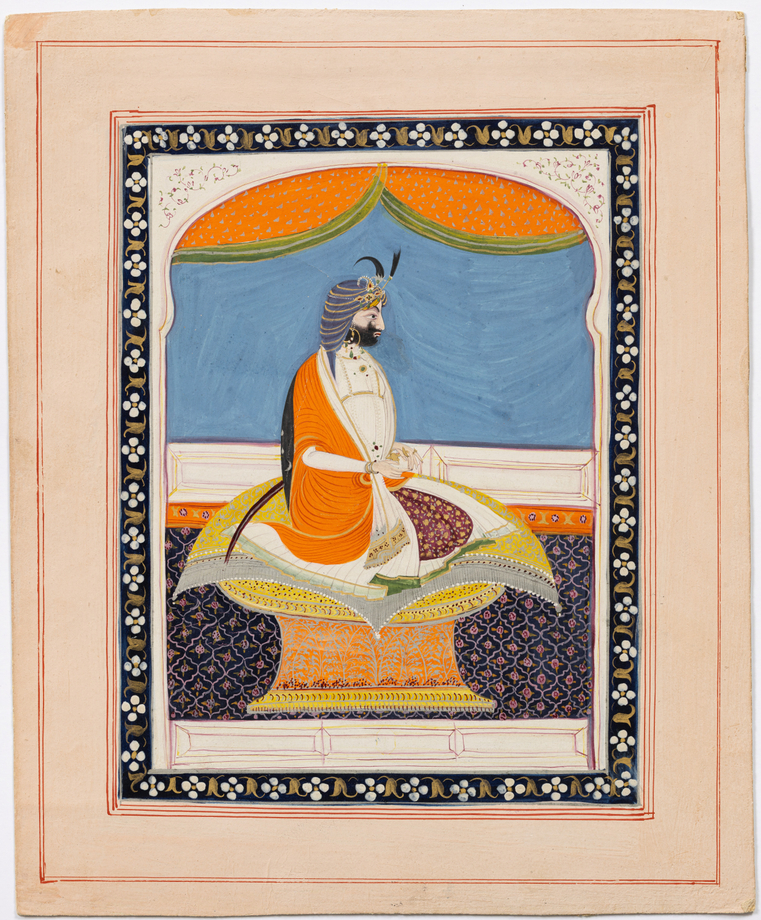
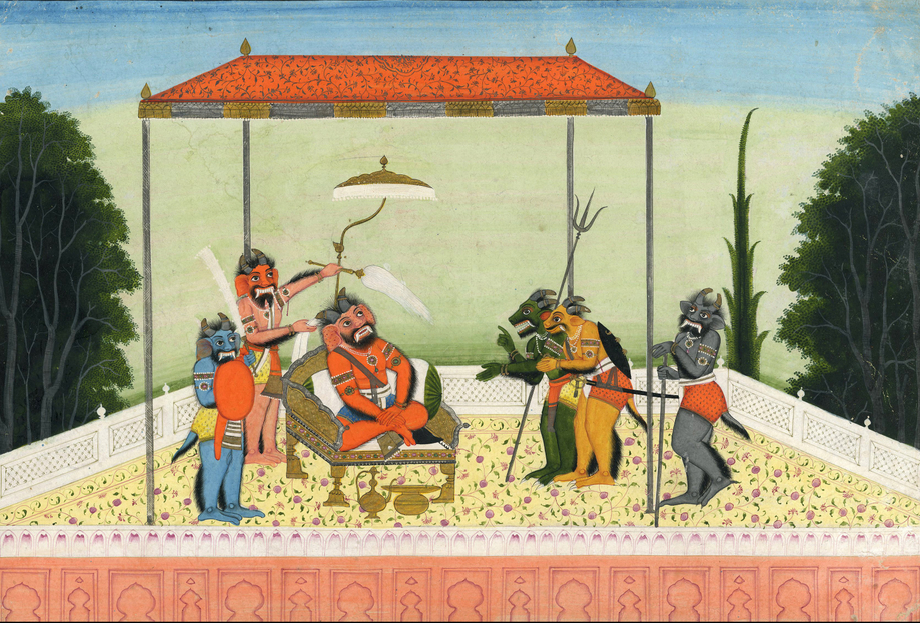
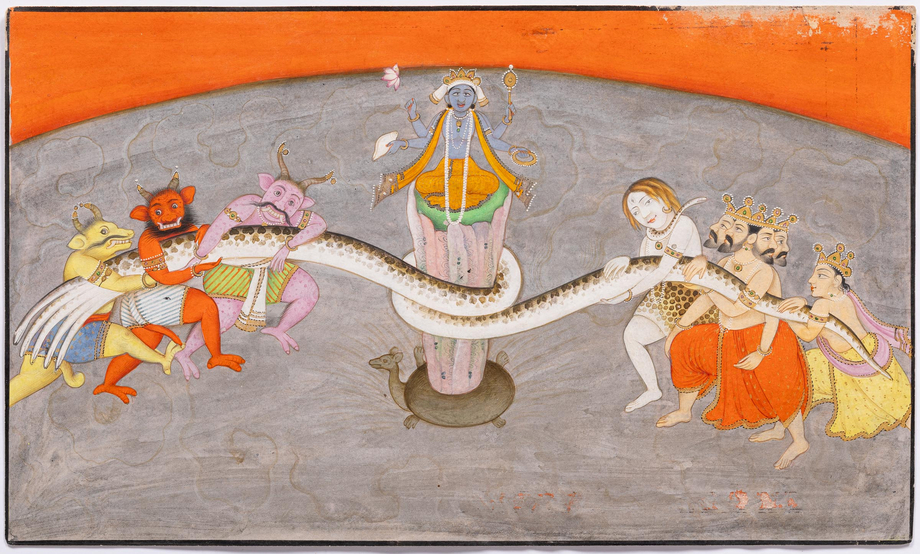
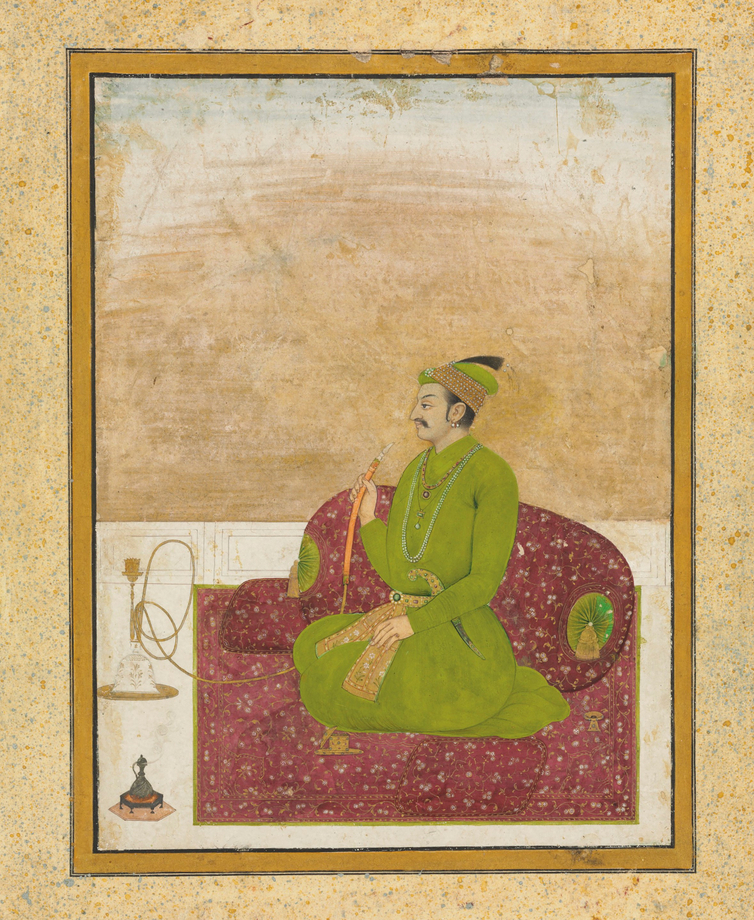
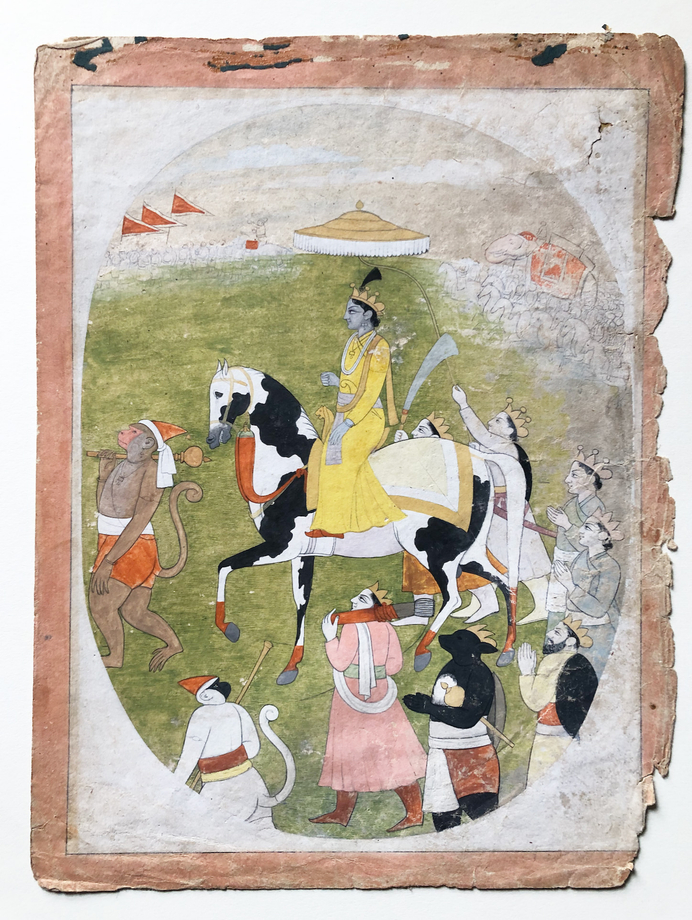
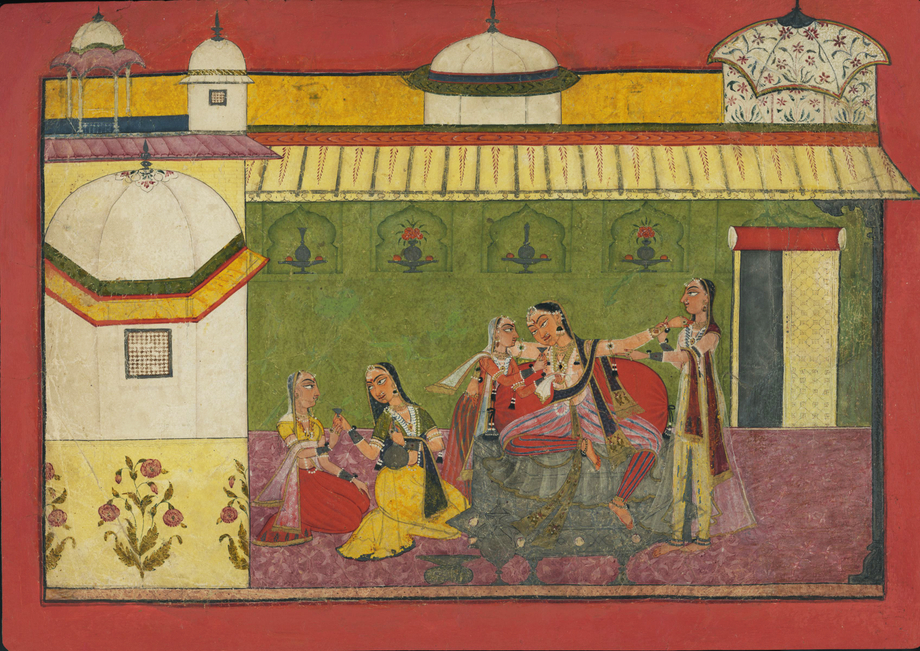
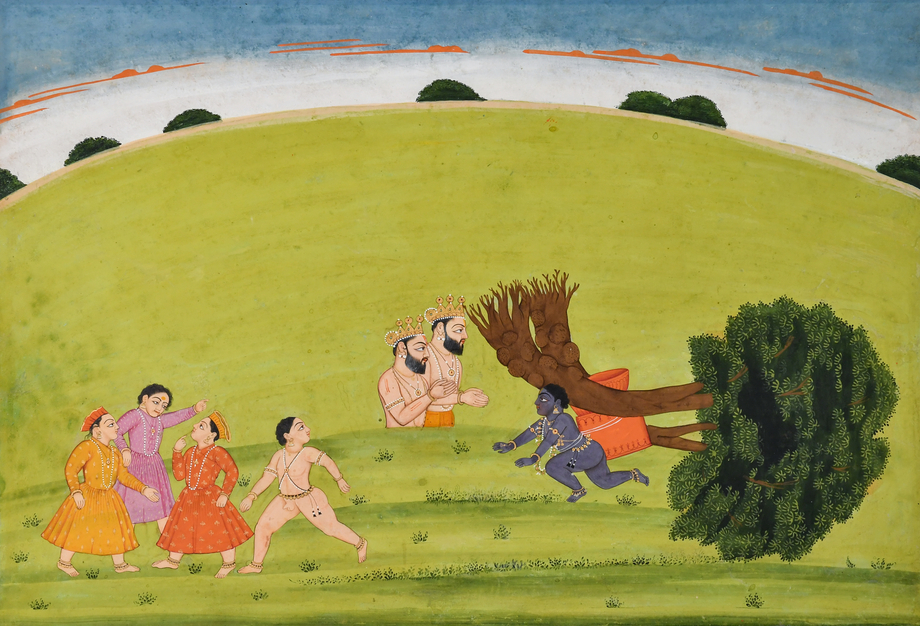
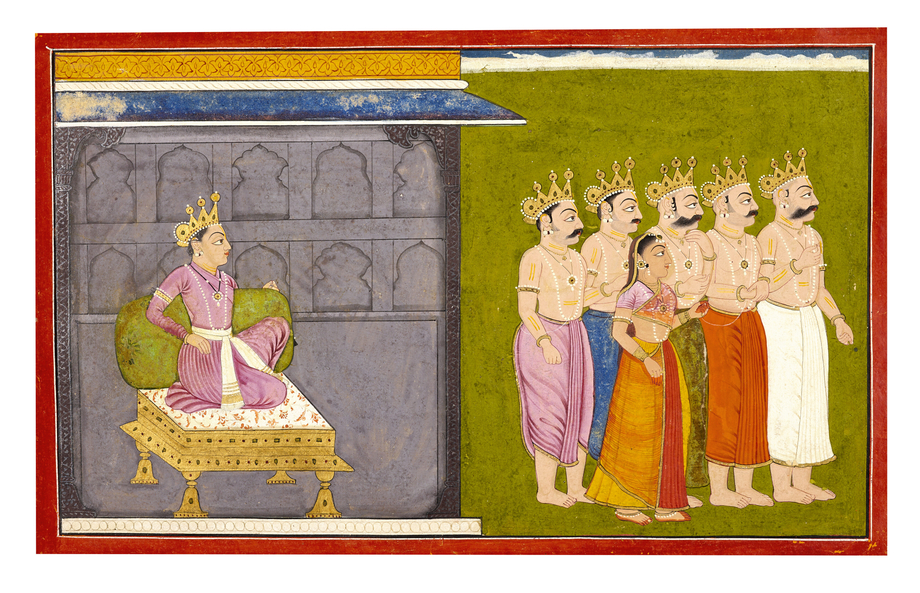
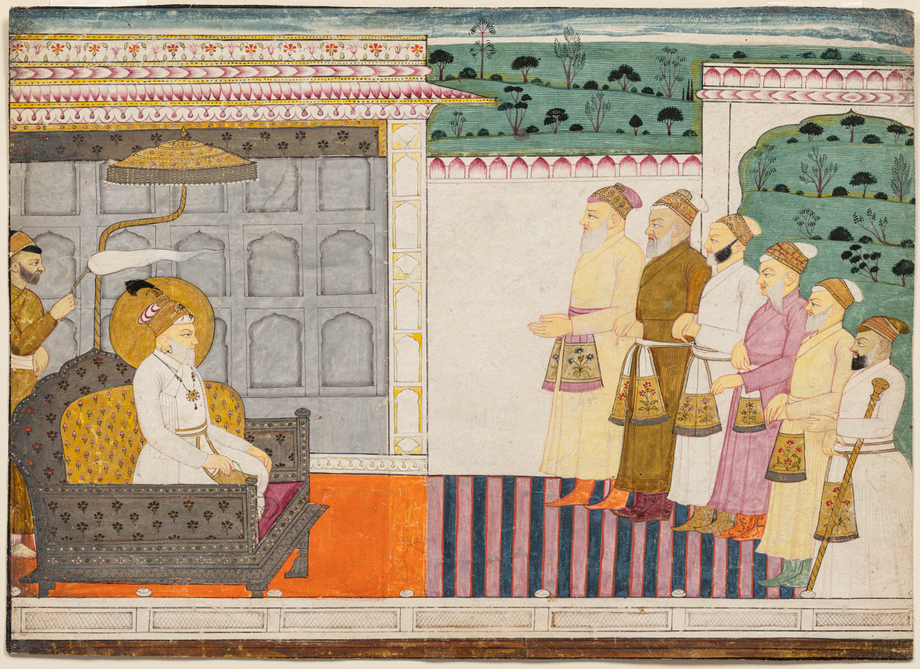
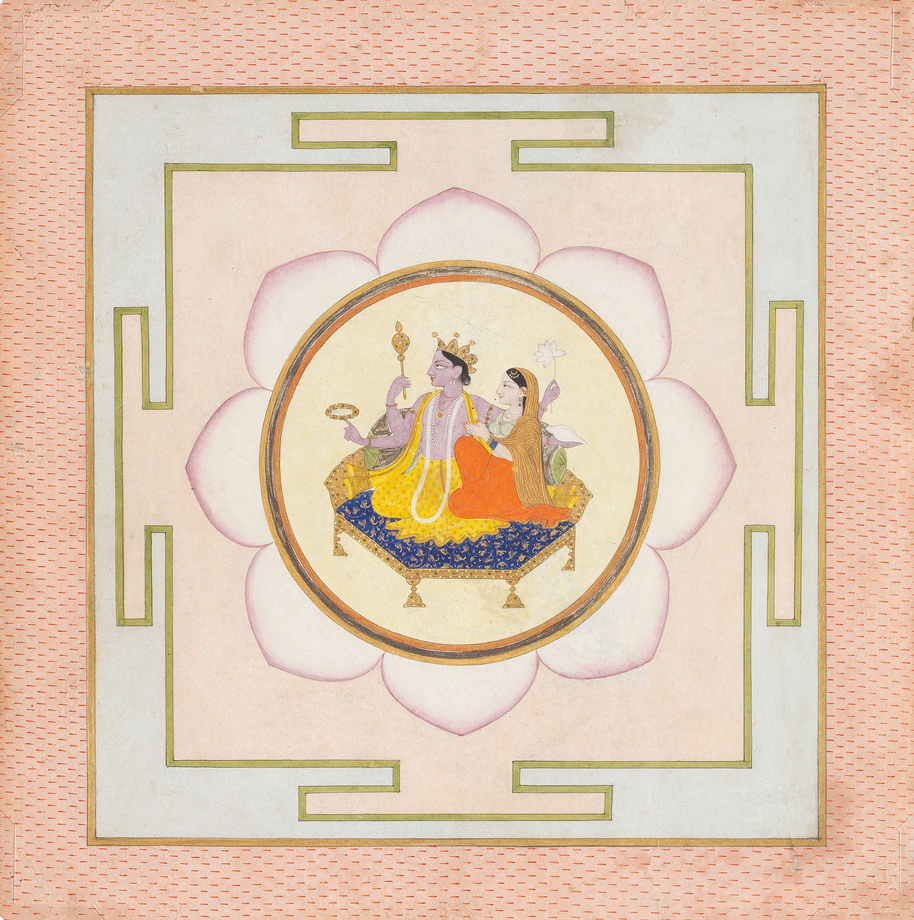
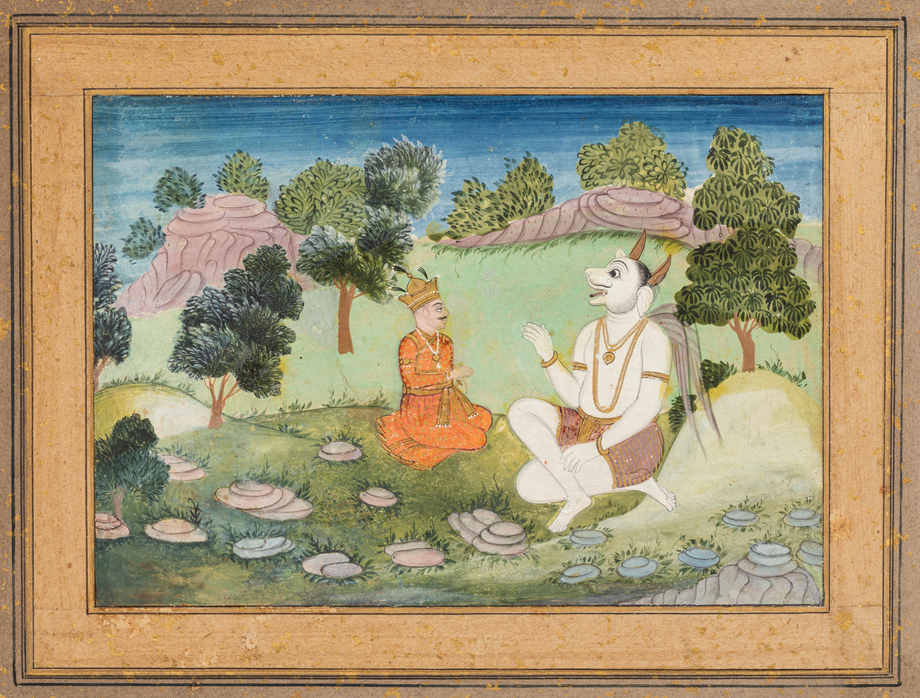
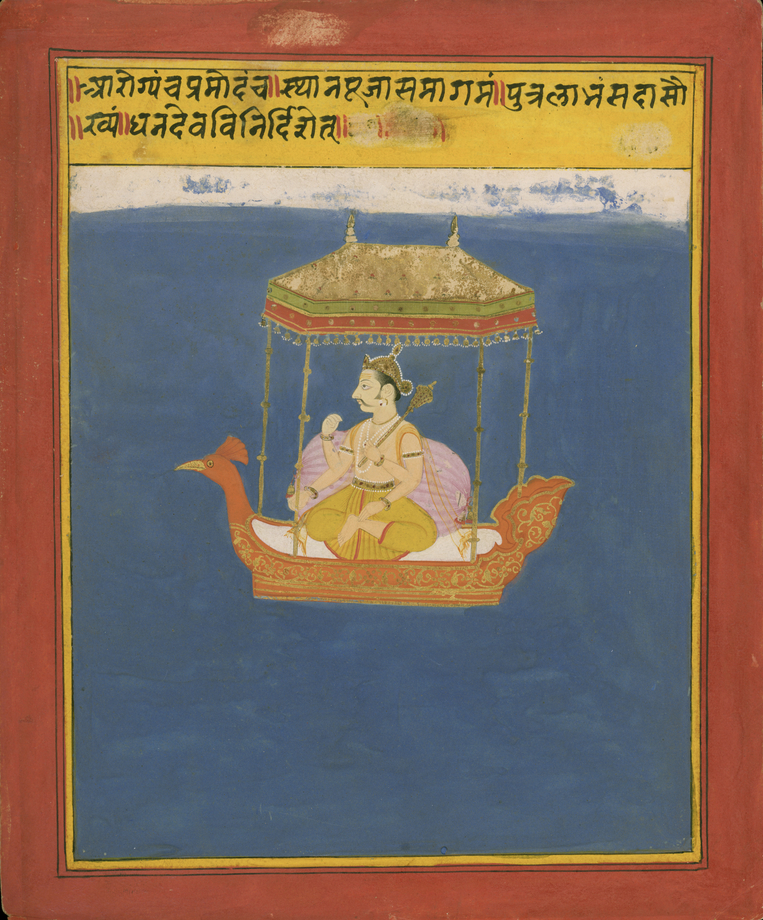
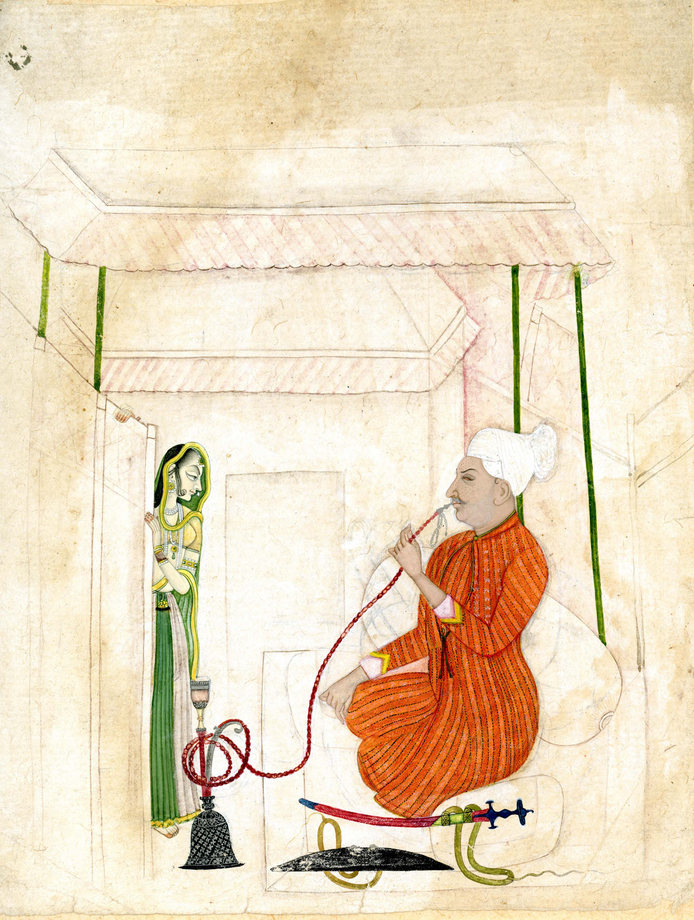
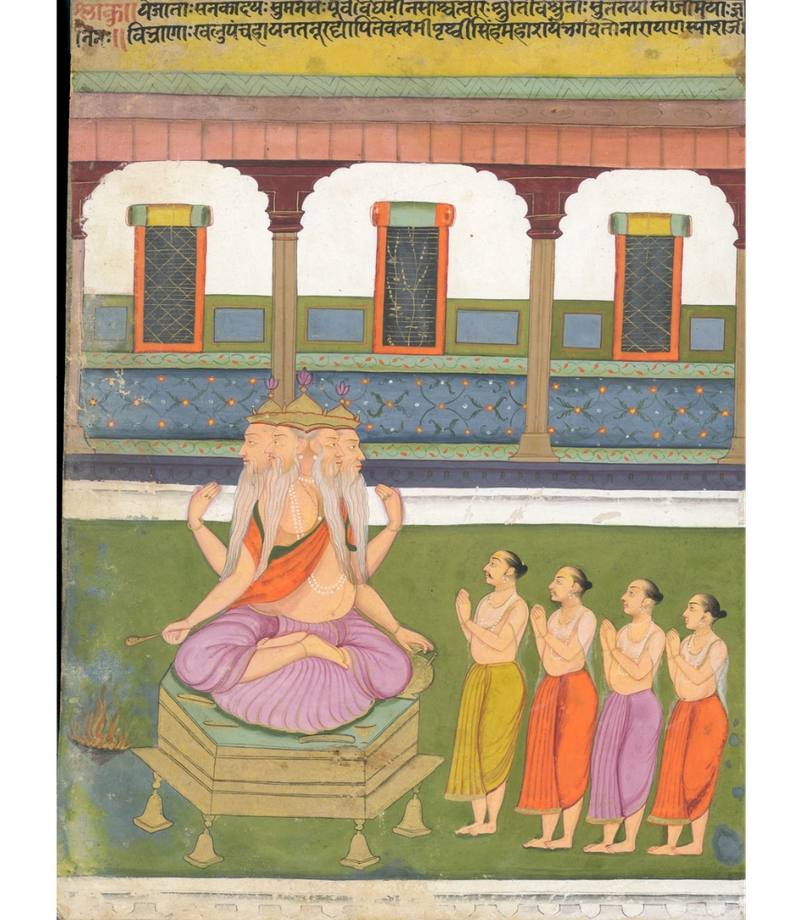
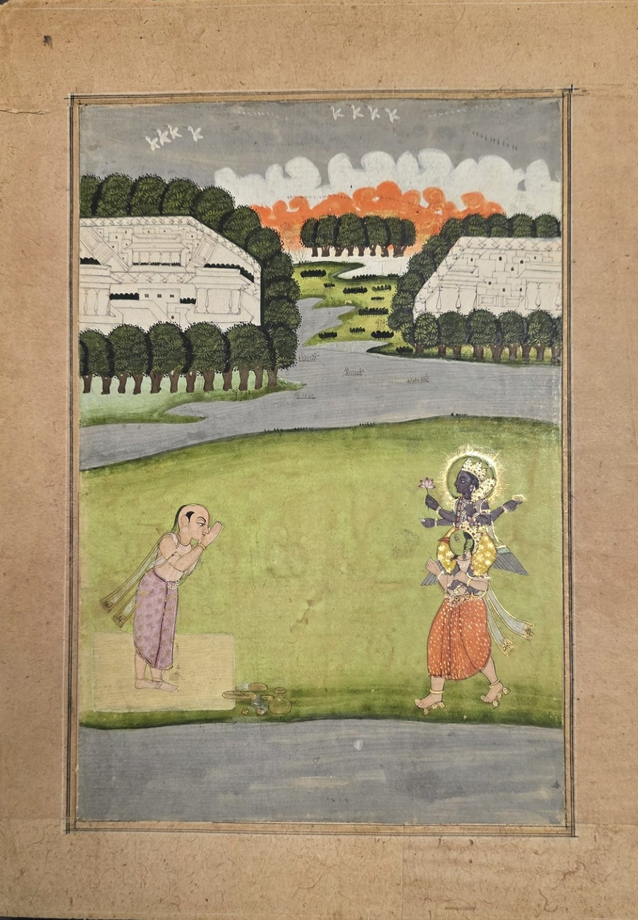
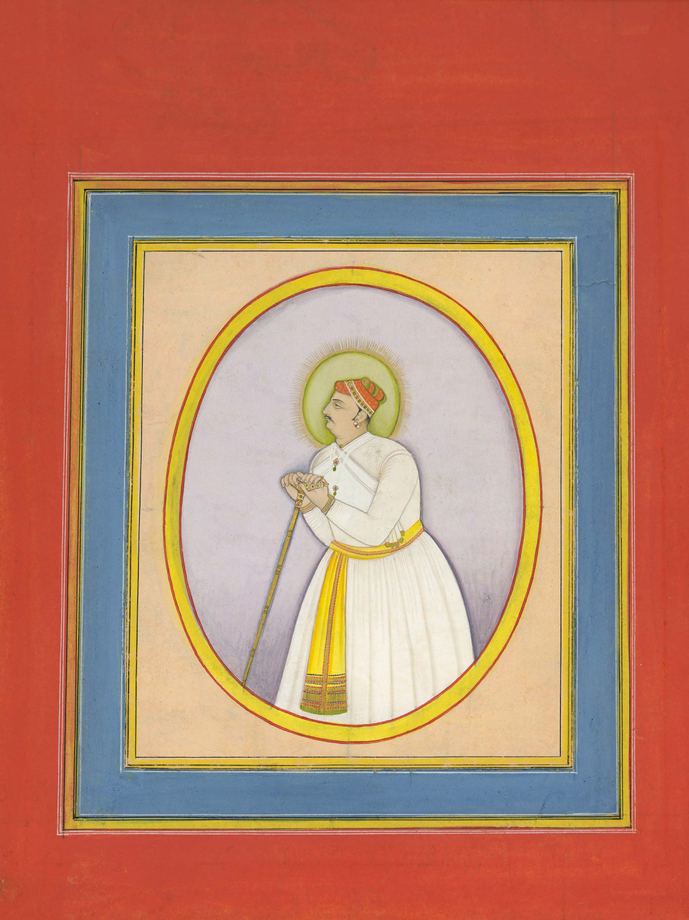
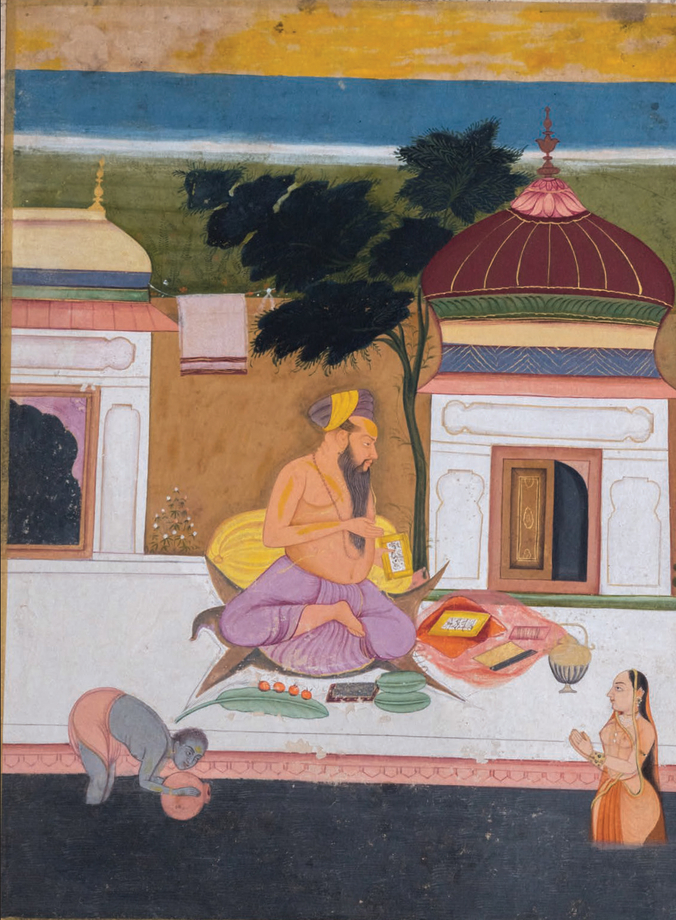
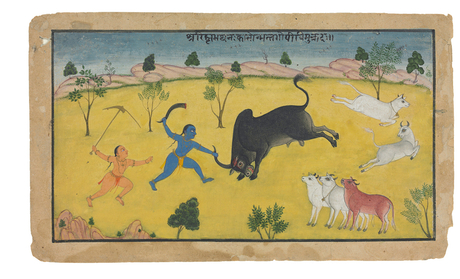
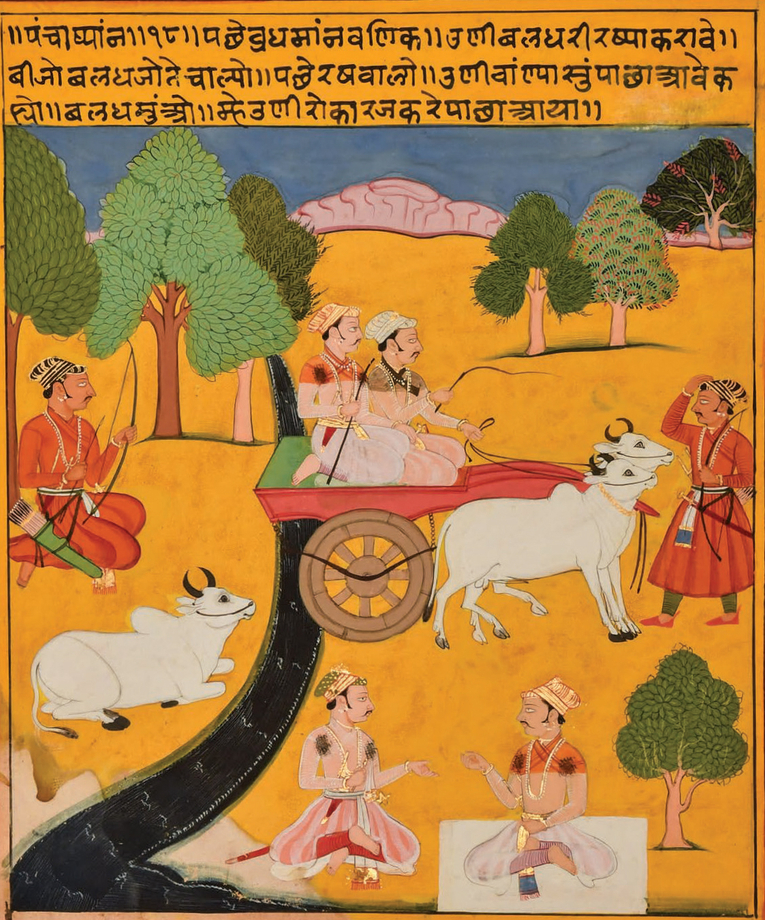
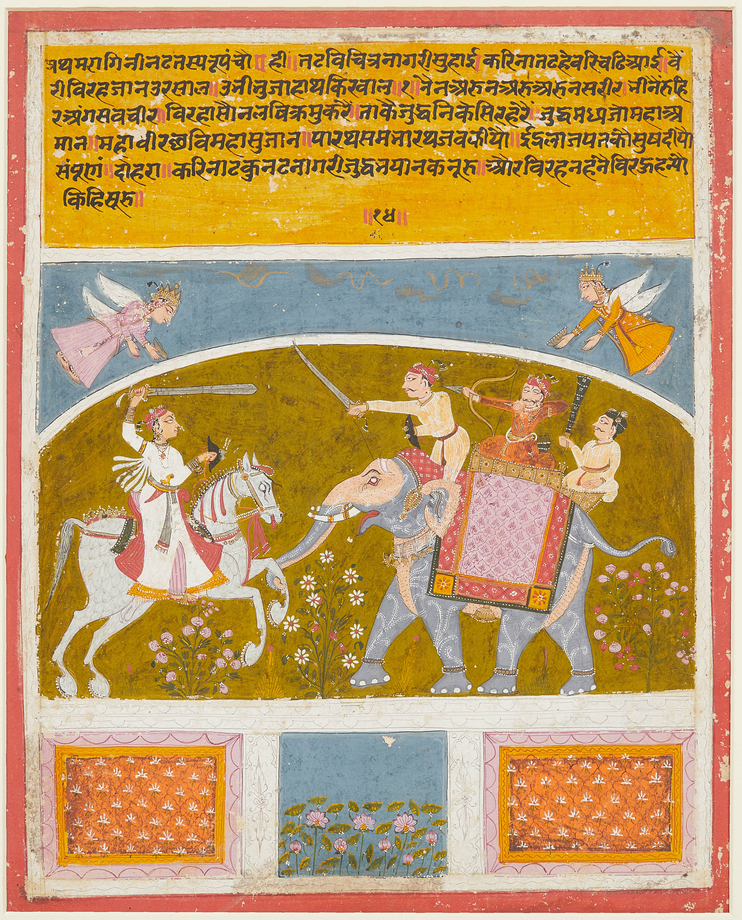
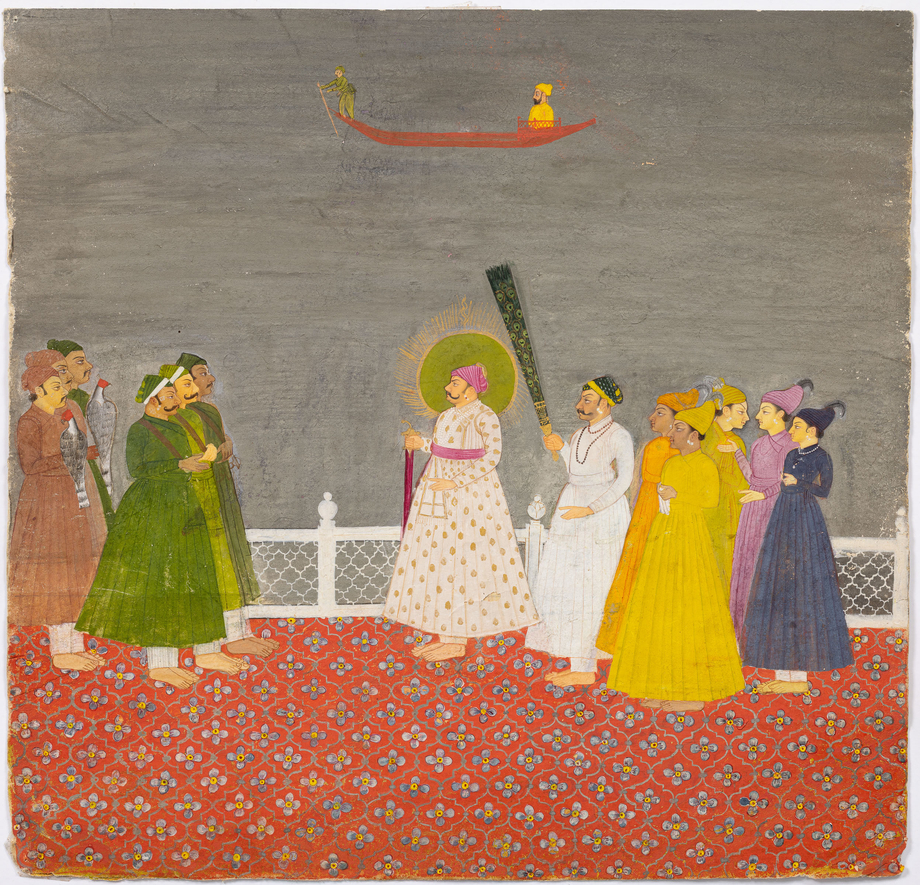
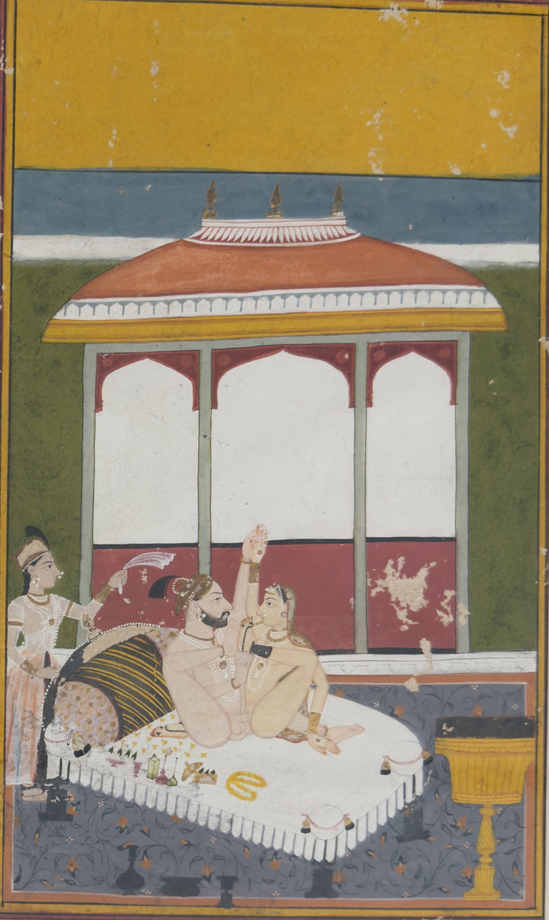
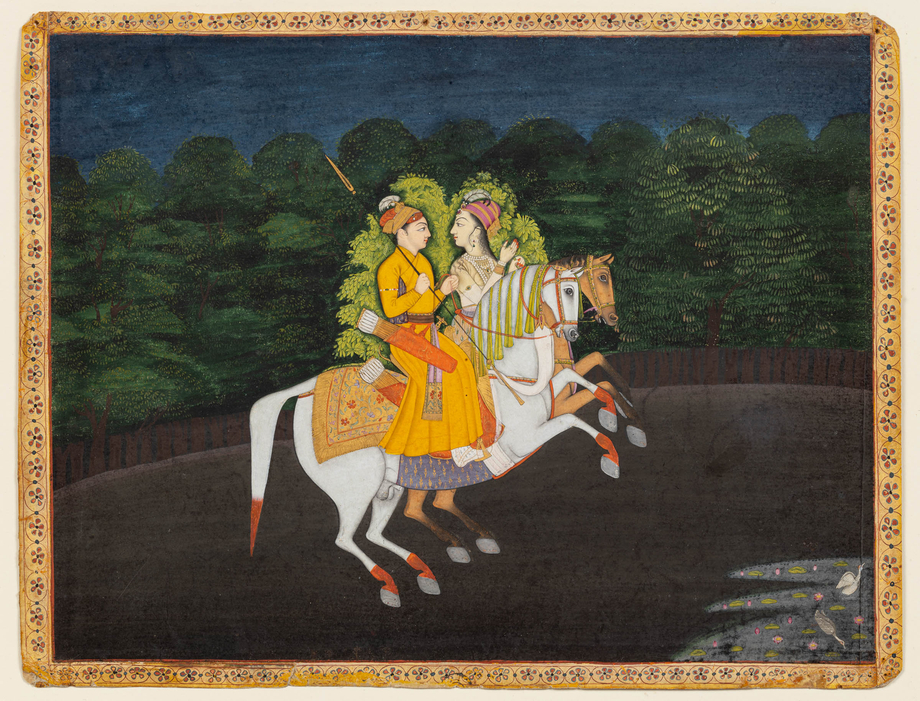
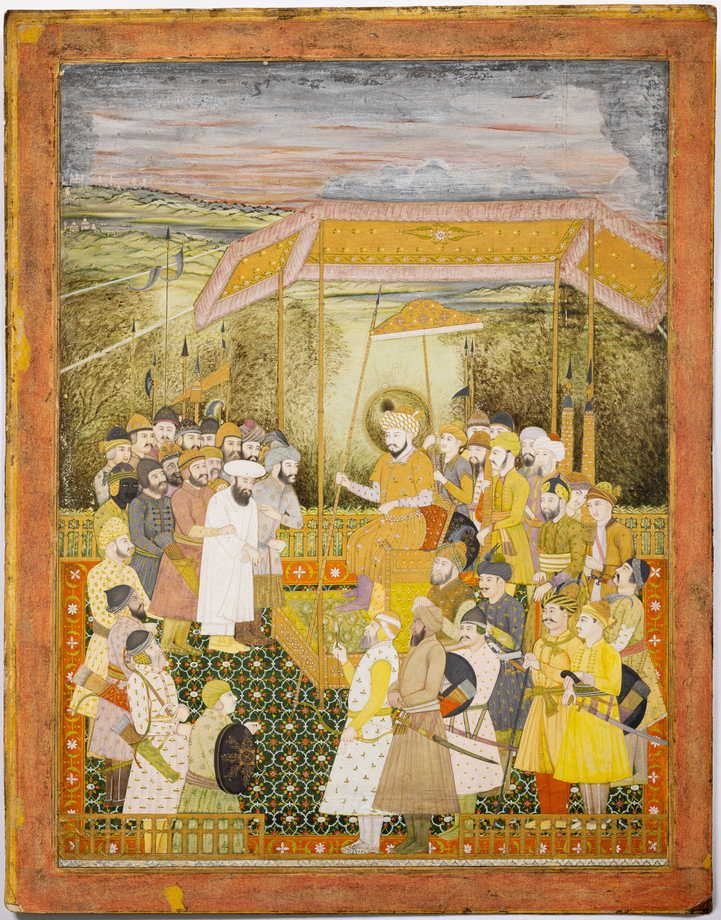
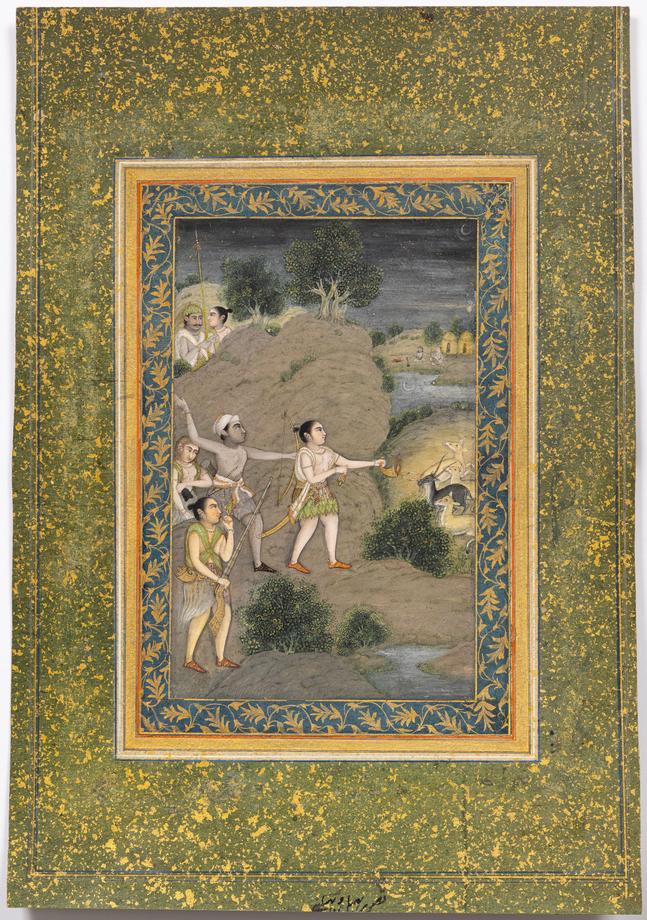
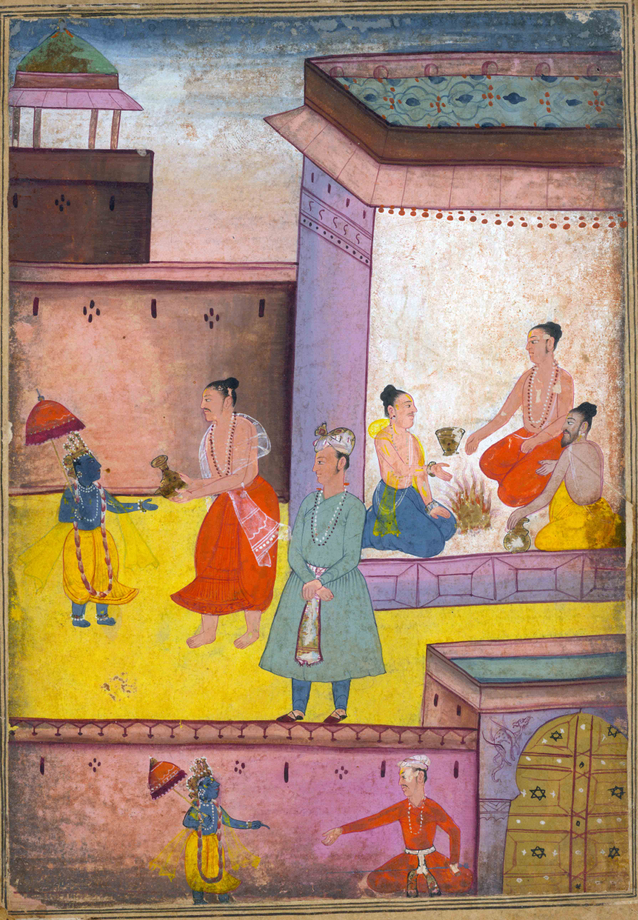
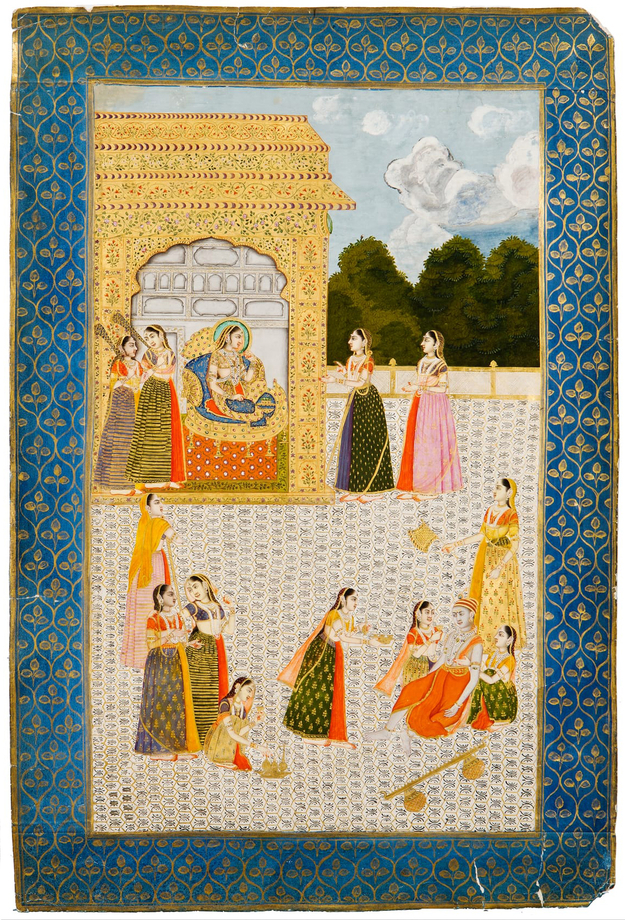
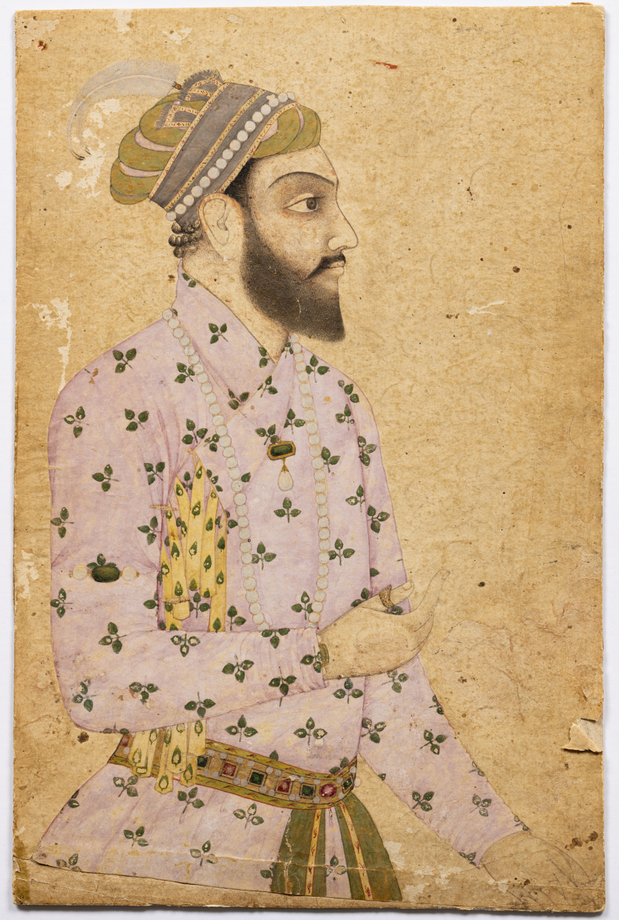
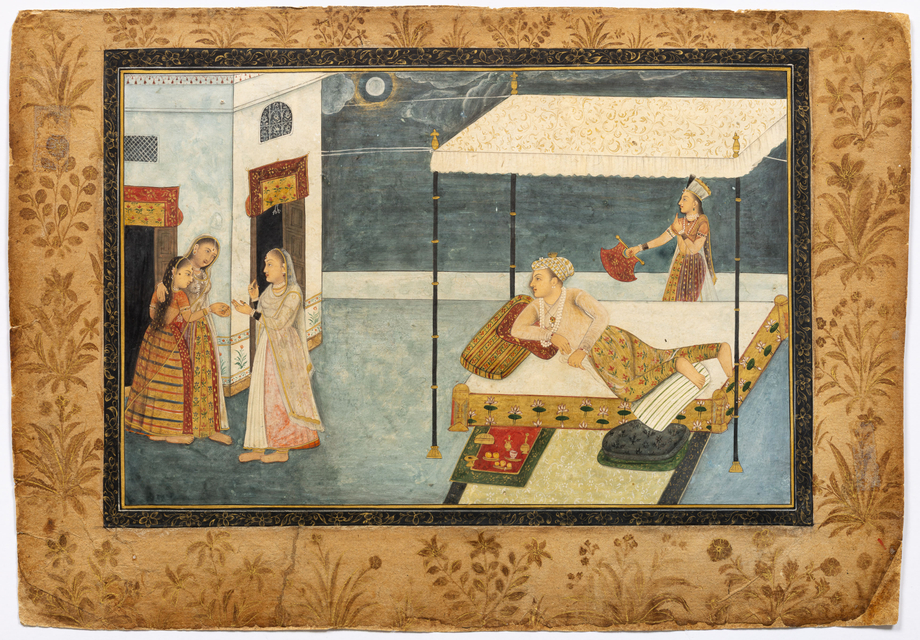
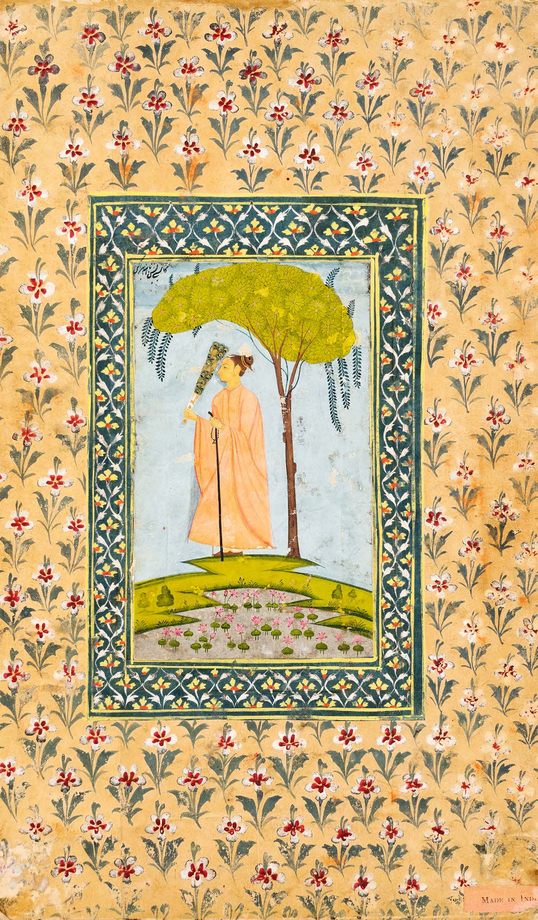
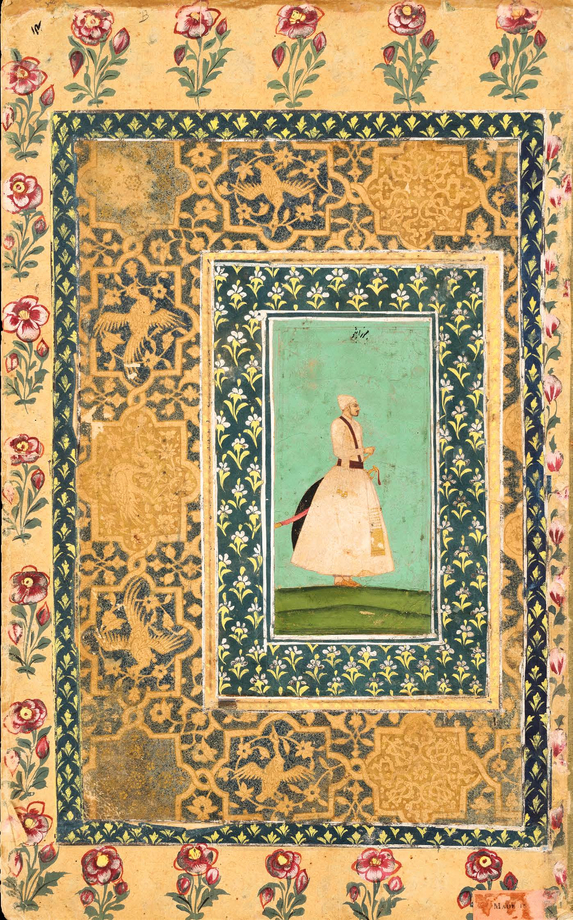
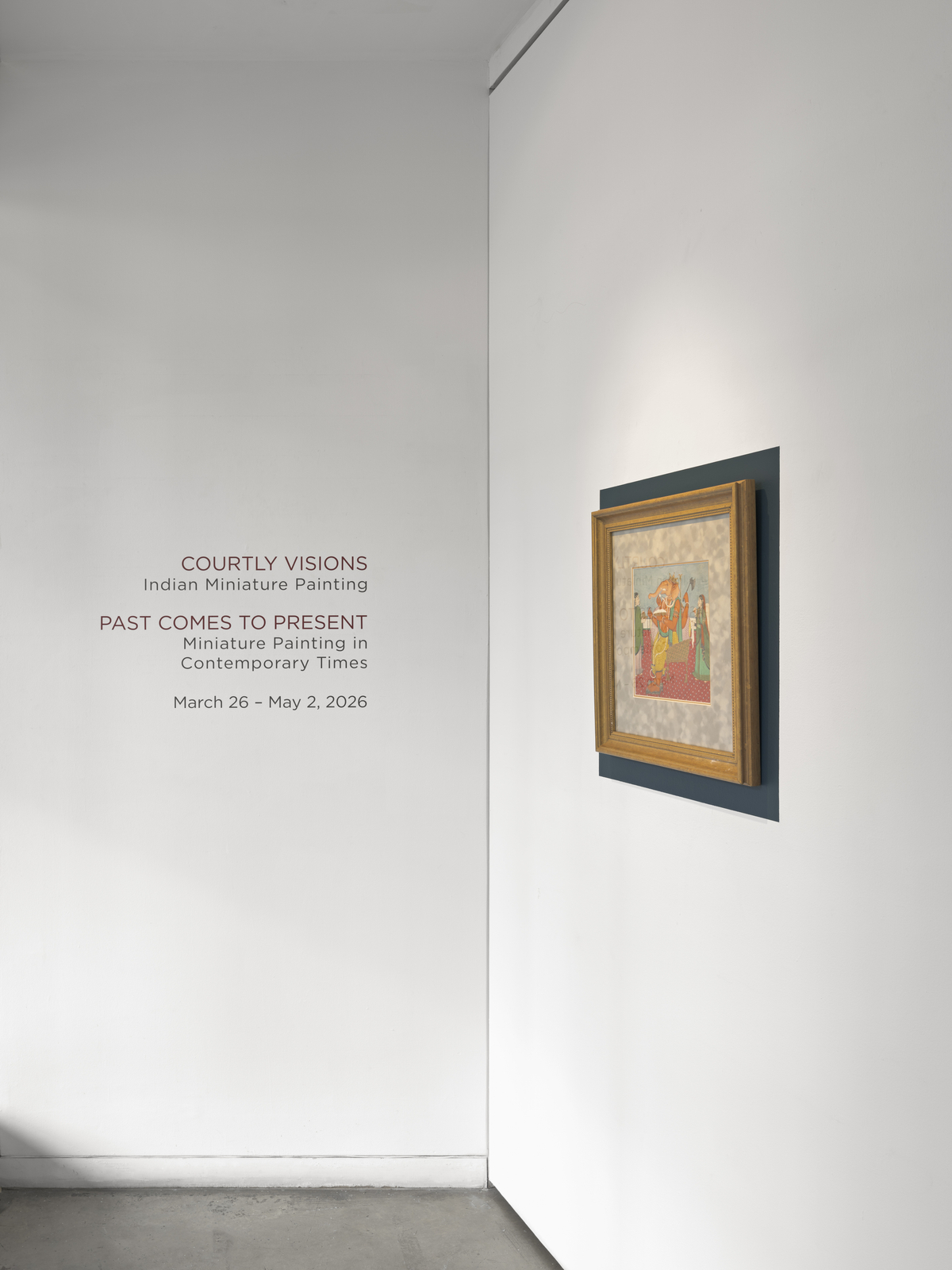
Aicon Art is pleased to present Courtly Visions: Indian Miniature Painting, the gallery’s first exhibition devoted to Indian miniature painting. Bringing together works from Mughal, Deccani, Rajasthani, Pahari, and related courts, the exhibition spans c. 1630 through the early 19th century and introduces a foundational pictorial tradition within the history of Indian art. For a gallery long associated with modern and contemporary South Asian art, the presentation marks an expansion of Aicon’s engagement with the region’s visual culture, tracing earlier histories of refinement, storytelling, and patronage.
Produced for royal and aristocratic patrons across the courts of the Indian subcontinent, Indian miniature painting is not a single style but a constellation of regional idioms. Mughal painters developed refined naturalism and imperial portraiture; Deccani artists often favored sumptuous color and poetic atmosphere; Rajasthani and Pahari painters turned to epic, devotional, and literary subjects with striking emotional intensity. Courtly Visions brings these traditions into conversation while preserving the distinct visual language of each court.
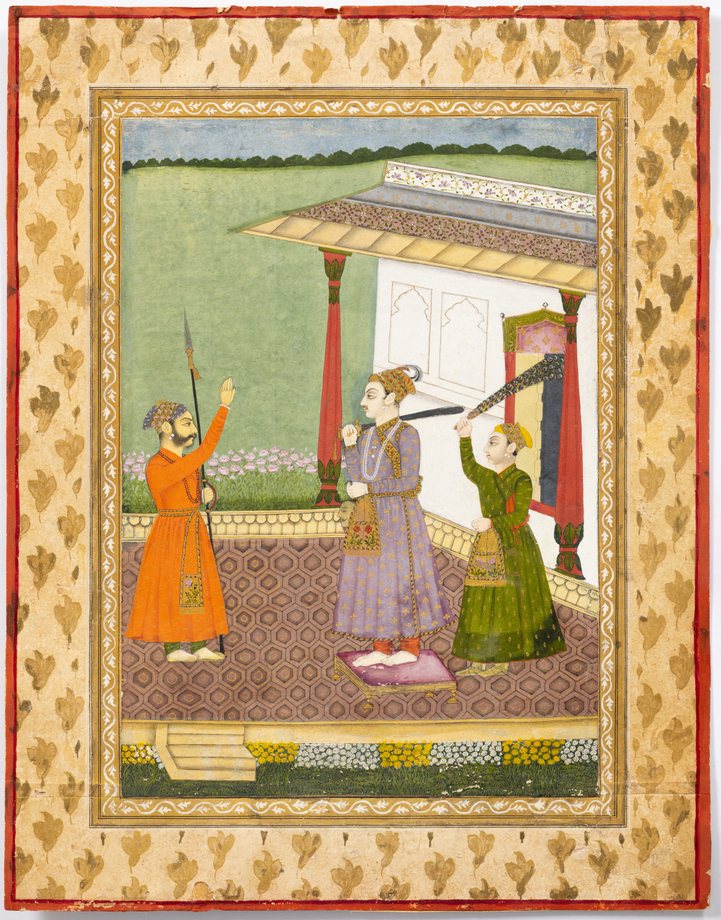
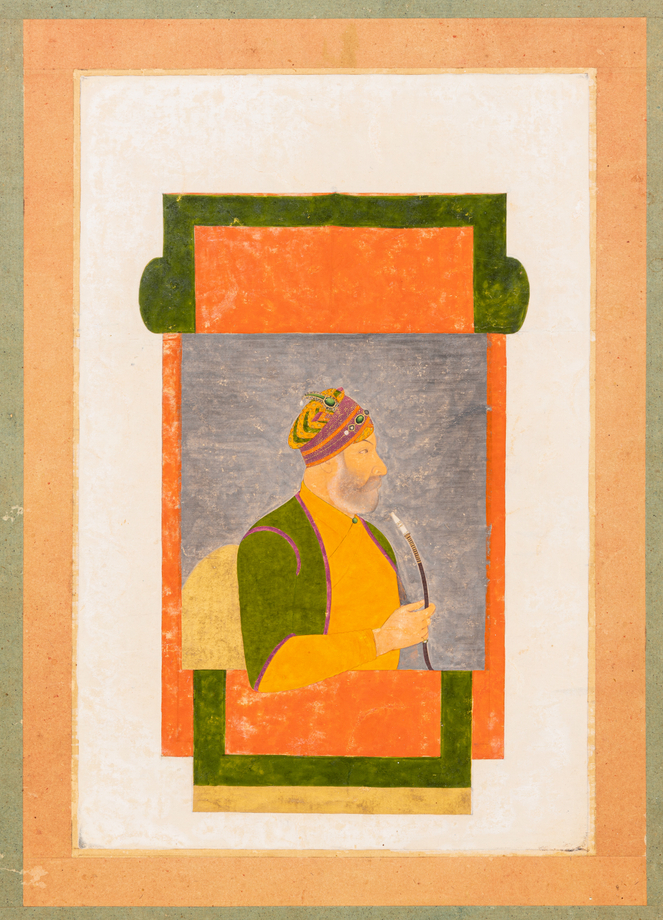
The exhibition also emphasizes the role of individual painters and workshops. Although Indian miniatures have often been discussed under broad dynastic or regional labels, recent scholarship has increasingly made it possible to speak of identifiable hands, family lineages, and named masters. Wherever possible, artist attributions have been included, drawing on the connoisseurship and scholarship of figures such as Milo C. Beach, Eberhard Fischer, and B. N. Goswamy. The paintings on view emerged from varied workshop structures—from hereditary family studios in Rajasthani and Pahari courts to imperial and provincial Mughal ateliers—where artistic knowledge was transmitted across generations.
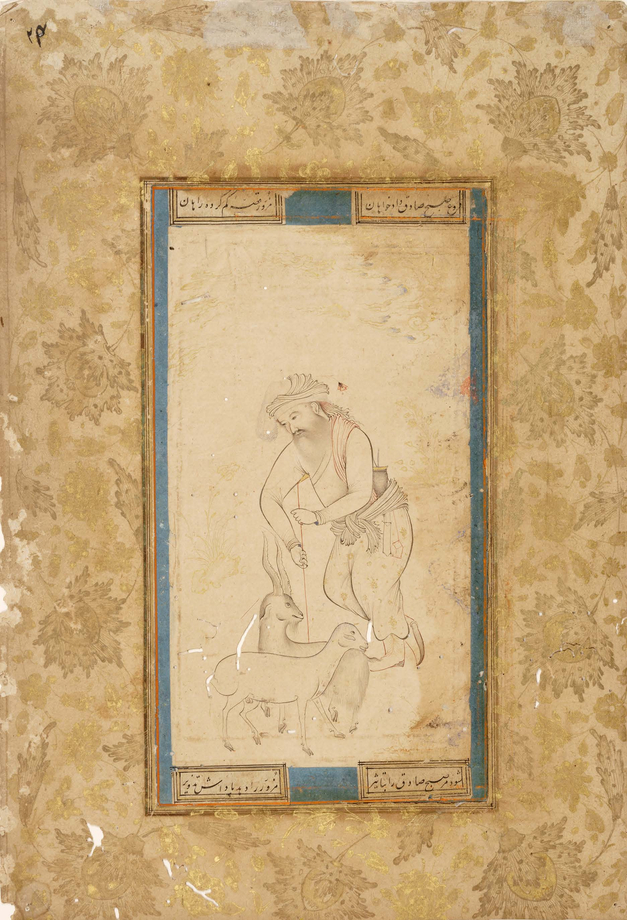
Many of the works in this exhibition were originally created as manuscript illustrations or album folios meant to be viewed at close range. Their intimate scale is part of their power: detail emerges slowly, and meaning unfolds through repeated looking. For visitors more familiar with modern and contemporary art, these paintings offer an earlier chapter in South Asian image-making—one in which line, color, narration, and the authority of the artist’s hand were already being explored with extraordinary sophistication. Often executed in opaque watercolor and gold on paper, they condense remarkable visual complexity into an intimate format. Presented on the wall, they continue to invite the kind of slow looking for which they were made.
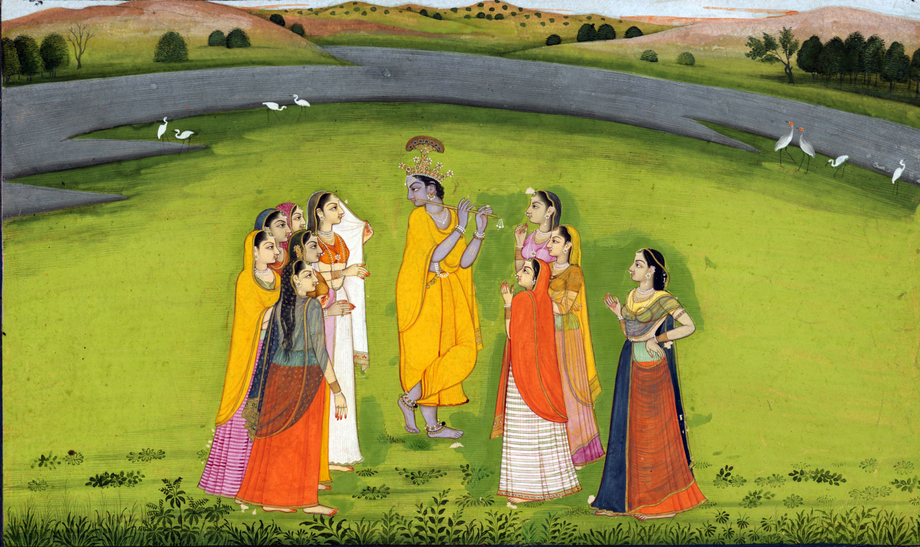
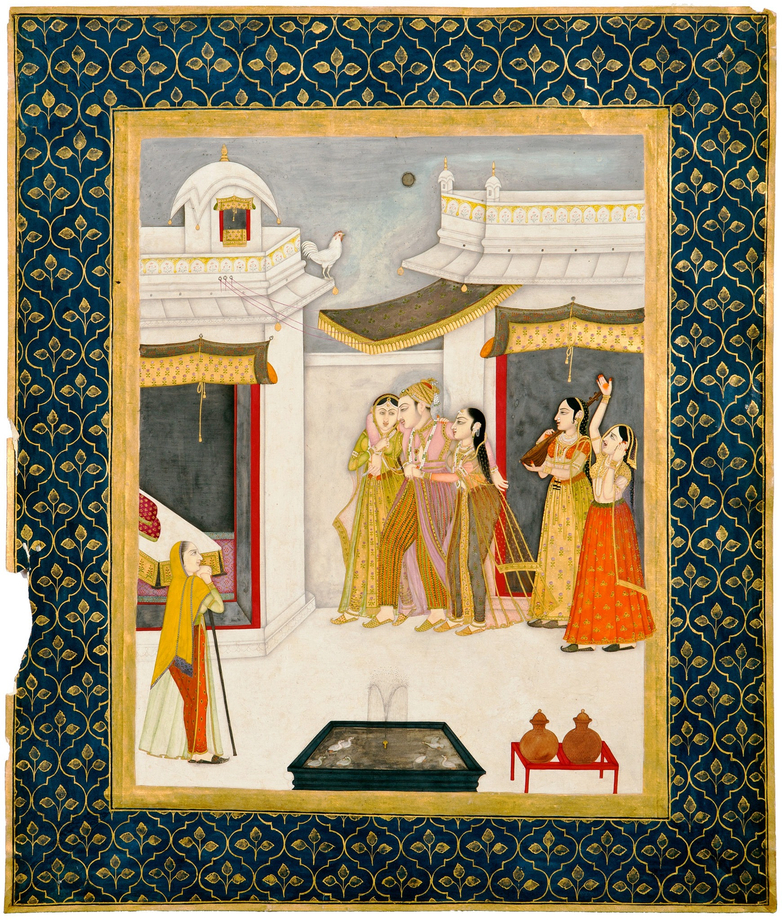
Among the highlights is The Charming Flautist, Guler or Kangra, c. 1775, a painting organized around the magnetic force of Krishna’s music. Encircled by adoring gopis, Krishna becomes the still center of a composition animated by rhythm, color, and devotional emotion. The subject belongs to the poetic world that animated late eighteenth-century Pahari painting, especially the Krishna themes of the Gita Govinda and related Vaishnava literature. The work is compelling not only for its delicacy of line and color, but for the way it turns music into a visual event.
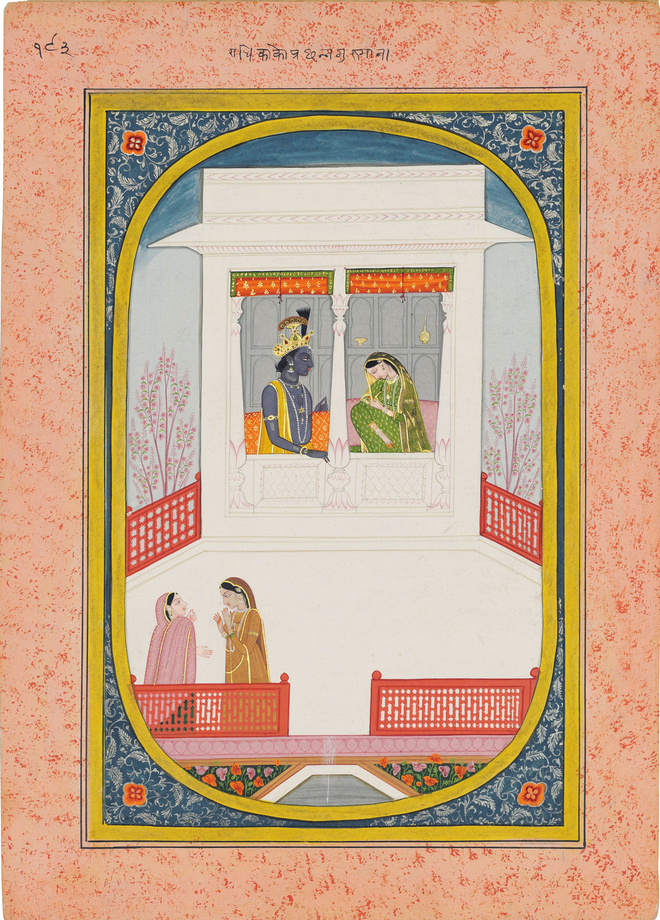
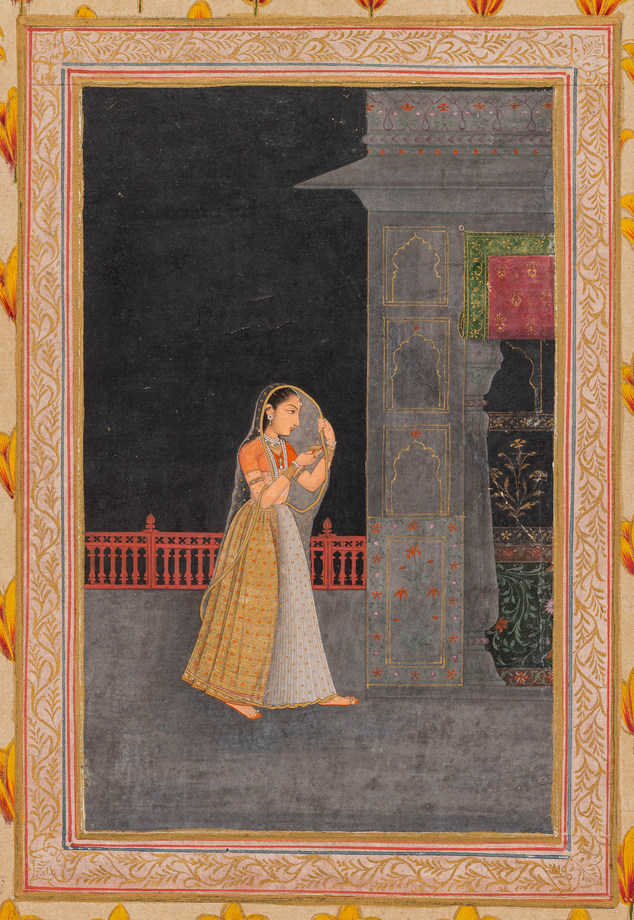
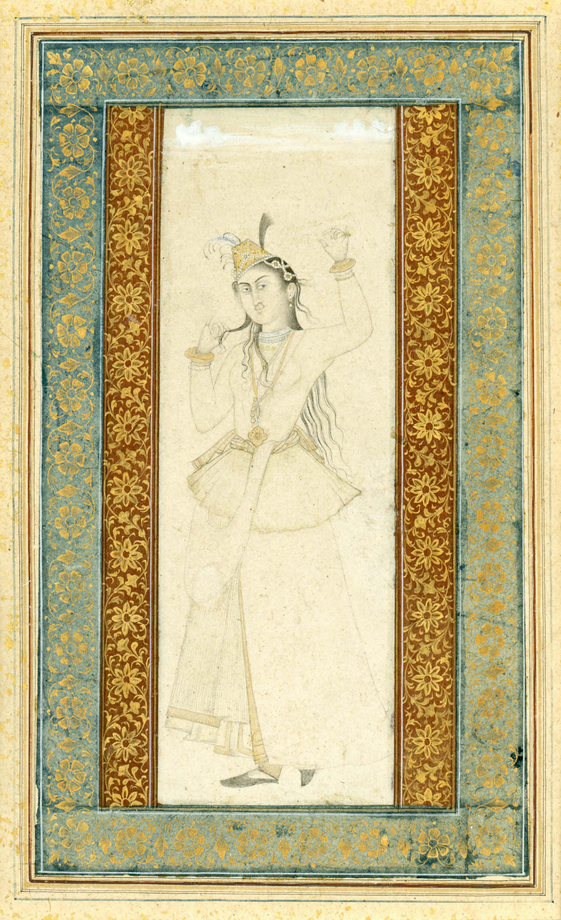
Also on view is Princess Strolling Across a Palace Terrace at Night, from Lucknow, c. 18th century, a quieter image of courtly grace. A solitary princess moves across a terrace before a dark sky, her translucent veil and jeweled profile set against the spare geometry of palace architecture. The restraint of the composition is part of its power: the picture favors poise, atmosphere, and inwardness over spectacle. In this respect, it resonates with the refined later Mughal tradition cultivated at provincial centers such as Lucknow.
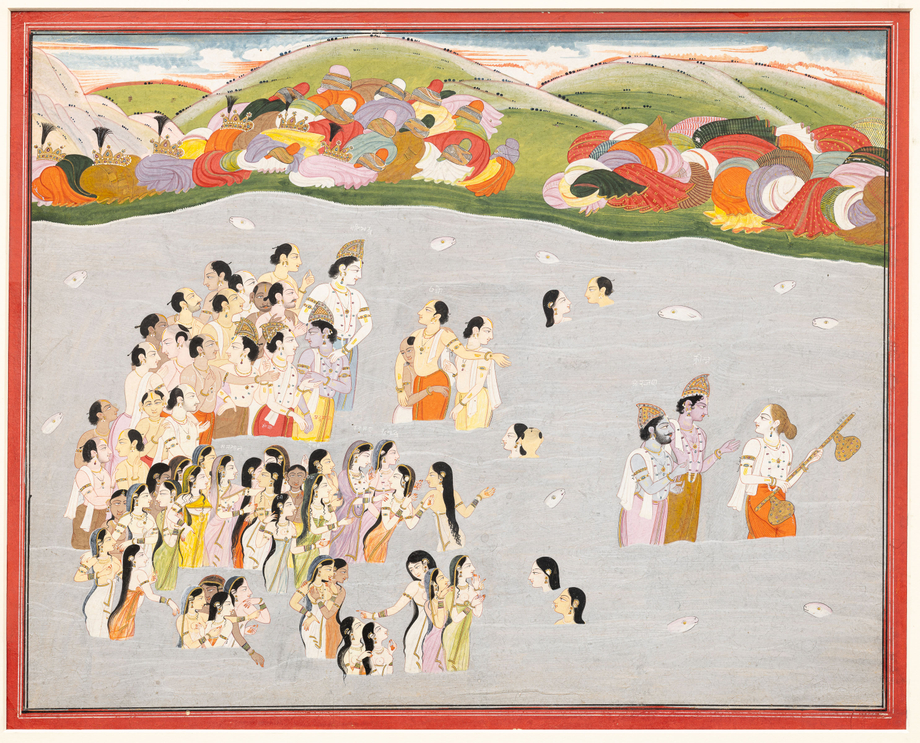
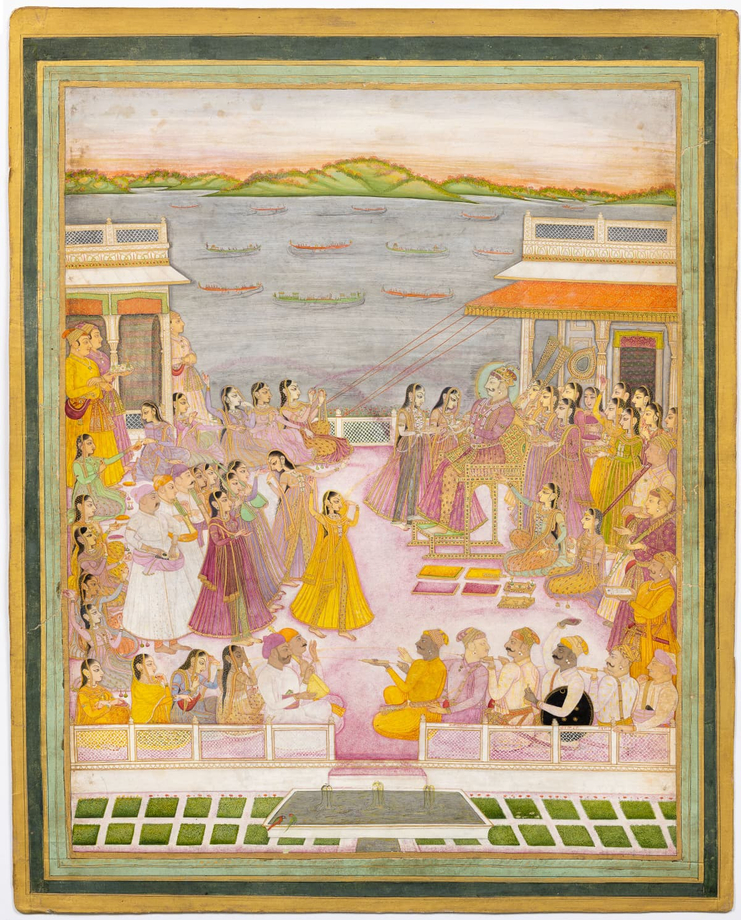
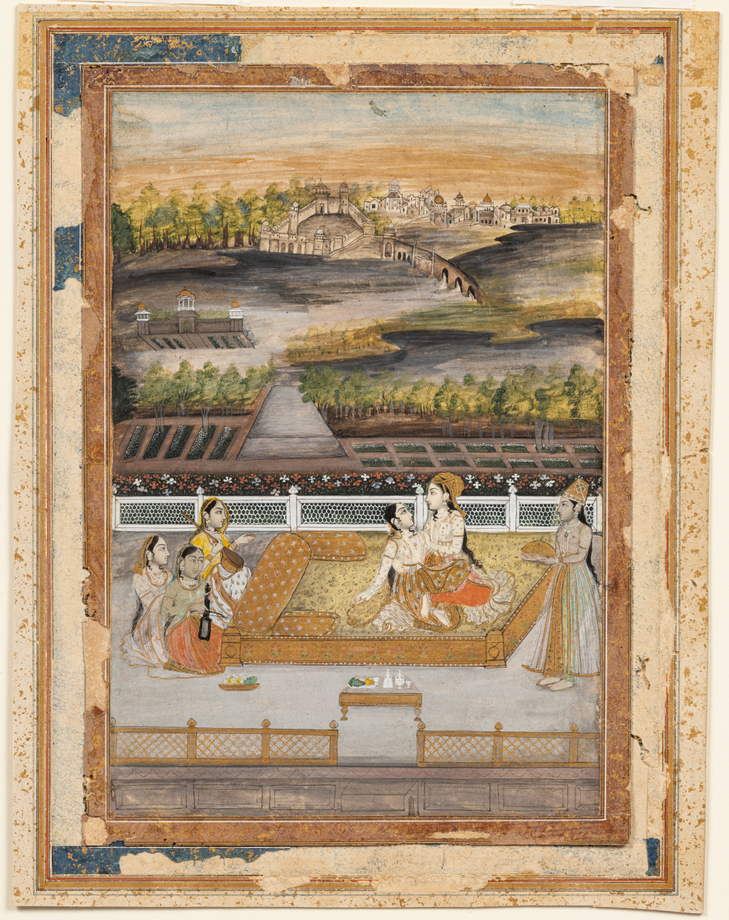
Another centerpiece, Phālguna Court Festivities on a Lakeside Palace Terrace, Kishangarh, Vikram Samvat 1848 (1791–92), offers the exhibition’s most expansive court scene. Here, celebrants, water, attendants, and architecture are woven into a carefully staged image of royal life, where pleasure, ceremony, and seasonality unfold across a luminous terrace. The painting’s elegance of line and orchestration place it within the celebrated Kishangarh tradition, making clear how Indian miniature painting could serve at once as record, performance, and idealized vision.
Together, these works offer a view of Indian miniature painting as a many-sided tradition: courtly and devotional, intimate and theatrical, regionally distinct yet deeply interconnected. Courtly Visions invites viewers to encounter these paintings not as distant historical artifacts, but as works of sustained visual intelligence whose complexity reveals itself through attention, patience, and proximity.